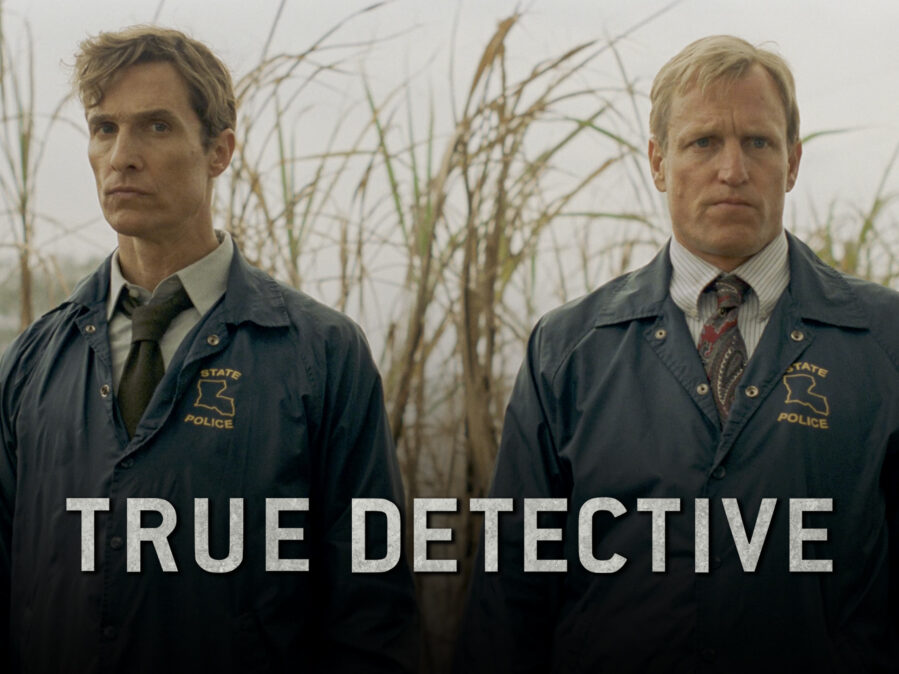
One more episode. One more chapter. Turns out that little ritual of staying up too late with a show or book could be doing more than just wrecking your sleep schedule. A new study from the University of Georgia, published in Acta Psychologica, suggests that binge-watching and marathon reading may actually help stories stick in memory, feeding the imagination long after the credits roll.
Lead author Joshua Baldwin and colleagues found that people who consume narratives consecutively are more likely to keep engaging with them, through daydreams, fantasies, and mental replays that may even help during stressful times.
Humans as Storytelling Creatures
“Humans are storytelling creatures,” Baldwin said. “One of the functions of narratives is the ability to satisfy motivations for things like connecting with other people, feeling autonomous and confident, and even security and safety.” That is, characters fill roles our brains crave, and sometimes those needs are met not in life but in fiction. This is not passive entertainment, the study argues. It’s active work, building mental models of plots, characters, and worlds that can be revisited later.
“People who have that habit of binge-watching shows often aren’t doing it passively but are actually actively thinking about it afterwards.”
The team drew on surveys of hundreds of college students who identified both “memorable” and “forgettable” stories. Unsurprisingly, the shows and books that participants devoured in longer sittings were the ones they kept thinking about later. TV in particular came out ahead of books and films in terms of memorability. A surprising twist: stress seemed to interfere with this recall, while leisure time boosted it. So, binging may only work its magic when life leaves a little room to breathe.
The Power of Retrospective Imagination
Psychologists call it retrospective imaginative involvement, or RII. The idea is simple: after a story ends, the brain keeps playing. Characters reappear in daydreams. Plots get reshuffled. Alternate endings get tested out. Some people even imagine backstories the writers never filled in. This isn’t just fan fiction in the mind, it’s a form of coping. Stories become tools for self-expansion, a way to feel competence, connection, or escape in moments when real life feels depleted.
“Stories have characters that fulfill these roles, and we can satisfy those needs through them,” Baldwin explained. That repetition—circling back to a story you loved—helps strengthen memory and emotional impact. The study found that enjoyment made people more likely to simply replay a story, while appreciation (for deeper, more meaningful narratives) made them more likely to change or expand them in imagination. Both matter. Both linger.
Not Just Escapism
Binge-watching has often been framed as bad for well-being—linked with poor sleep or guilt. But this research suggests it depends. Content matters. Motivation matters. A comedy marathon may leave a different residue than a slow-burn tragedy. And while some participants admitted to watching to “forget real life,” the stronger driver of imagination was a desire for boundary expansion: stepping beyond the self to live inside another world for a while. Truth be told, who hasn’t tried that when things got rough?
“It always depends on the content itself, why people are watching it, the psychological background of the individual and the context.”
Takeaway
Bingeing isn’t always mindless. It can help stories sink deeper, giving people something to revisit in imagination long after the show ends. Those mental replays may even help with recovery from stress, though the balance depends on context and personal need. So the next time you tell yourself “just one more episode,” you might not be wasting time—you might be building a world to carry with you.
Journal: Acta Psychologica
DOI: 10.1016/j.actpsy.2025.105101