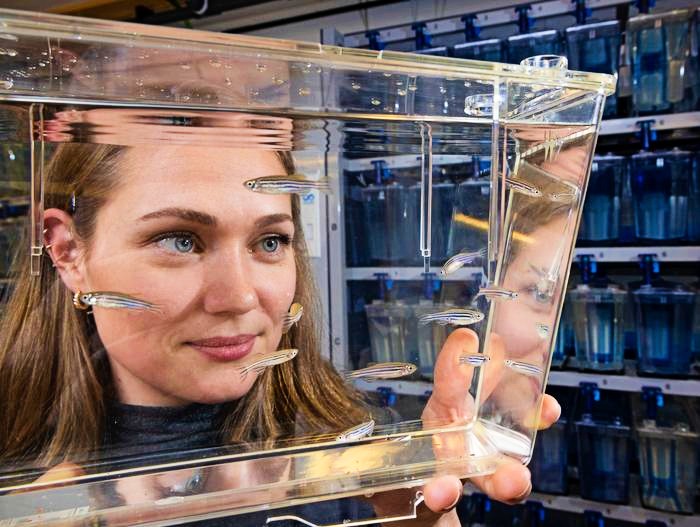
Fish Hovering Burns Twice the Energy Scientists Expected

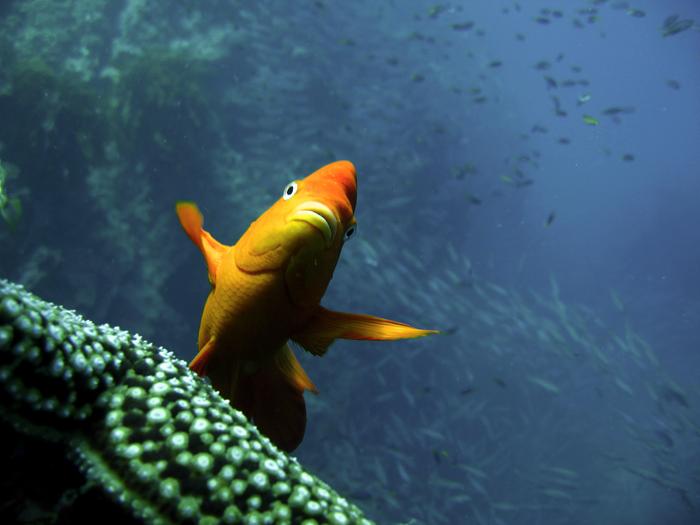
A garibaldi hovering near San Clemente Island in Southern California. Credit: Phil Zerofski/Scripps Institution of Oceanography

What looks effortless isn’t always easy. When fish hang motionless in the water column, they appear to be resting—but new research reveals they’re actually working twice as hard as scientists previously thought. A comprehensive study of 13 fish species shows that hovering burns nearly double the energy of true rest, overturning decades of assumptions about … Read more

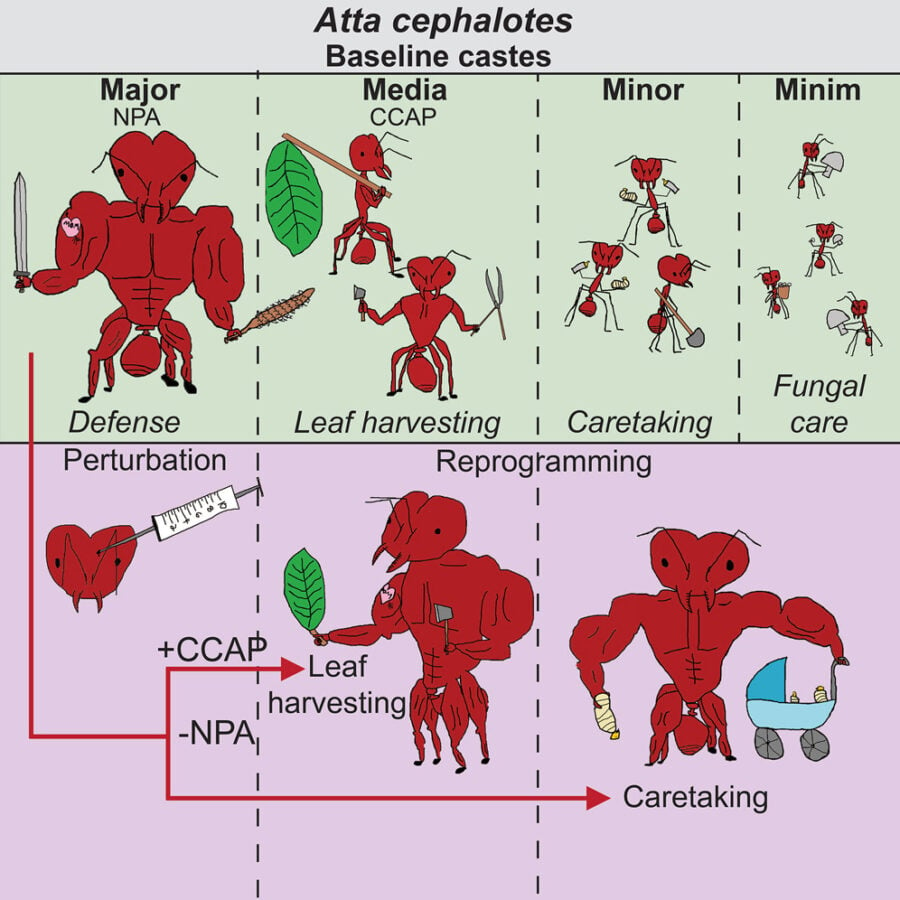
How Two Tiny Molecules Control Ant Society’s Division of Labor

ant infographic

Deep in the tropical understory, millions of leafcutter ants march in perfect synchrony—some slice leaves with surgical precision while others tend nurseries or stand guard at colony gates. Now scientists have cracked the chemical code behind this extraordinary social organization, discovering that just two molecular switches can completely reprogram an ant’s life purpose. University of … Read more

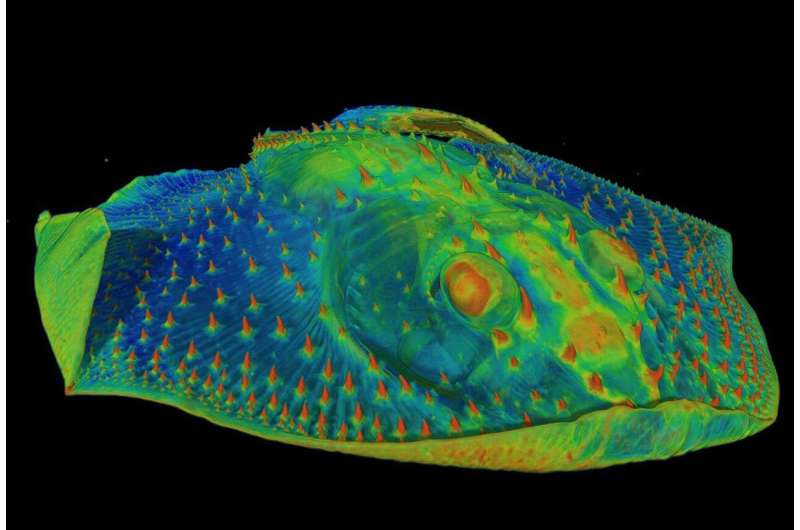
Original Teeth Were Sensors, Not Chewers

CT scan of ancient fish

Scientists have discovered that vertebrate teeth originally evolved as sensory organs rather than just tools for eating, according to new research published in Nature that examined fossils dating back 470 million years. The study used cutting-edge synchrotron scanning technology to reveal that the earliest tooth-like structures in ancient fish were designed to detect environmental changes, … Read more

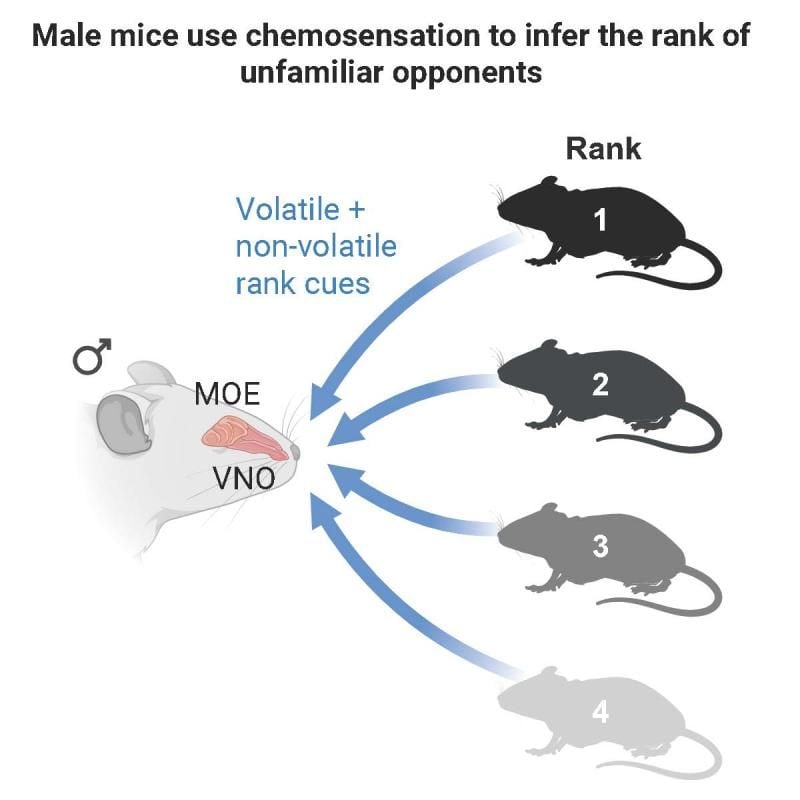
Mice Detect Social Status Through Scent

Diagram showing how a mouse assesses an unfamiliar mouse's rank using two chemosensory systems in the brain, the olfactory and vomeronasal systems.

In the complex social world of mice, a newcomer can instantly size up a stranger’s social rank without ever having met them before. A new study from the Francis Crick Institute shows these rodents rely on their keen sense of smell to make quick social judgments – using chemical cues to decide whether to stand … Read more

Ancient Sea-Moth Predator Rewrites Arthropod Evolution

Mosura fentoni, a 506-million-year-old creature from the famous Burgess Shale fossil beds

A finger-sized marine predator with three eyes and an unusual respiratory system is challenging what scientists thought they knew about the early evolution of arthropods, the group that includes modern insects, crustaceans, and spiders. Canadian researchers have discovered Mosura fentoni, a 506-million-year-old creature from the famous Burgess Shale fossil beds, with an unprecedented body arrangement … Read more

Living Things Glow Faintly with Invisible Light—And Death Makes It Vanish

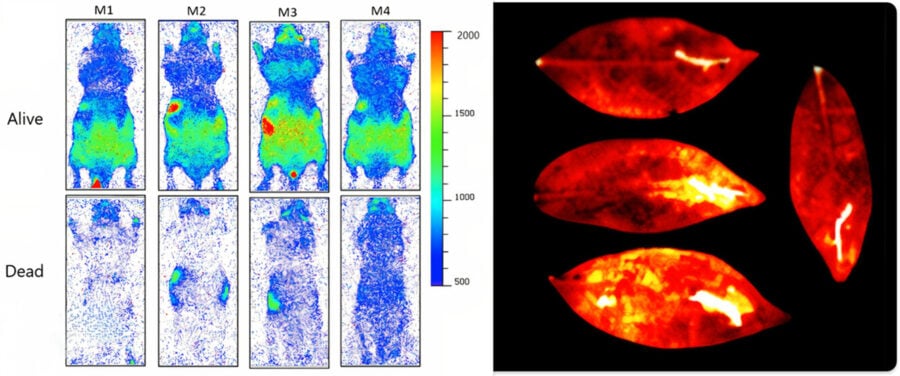
Imaging Ultraweak Photon Emission from Living and Dead Mice and from Plants under Stress

Cutting-edge imaging technology has uncovered that all living organisms emit an extremely faint light invisible to the naked eye, with patterns that significantly differ between life and death. These ultraweak photon emissions (UPE) offer researchers a promising tool for non-invasive monitoring of biological processes and stress responses in both animals and plants. What Are Ultraweak … Read more

Scientists Race to Save the Mysterious “Asian Unicorn” Before It Vanishes Forever

The rare and endangered saola (Pseudoryx nghetinhensis) has not been observed in the wild since 2013.

Deep in the misty mountain forests between Vietnam and Laos lives a creature so rare and elusive that scientists nicknamed it the “Asian unicorn.” Its formal name is the saola (pronounced “sow-la”), and despite only being discovered in 1992, it might already be extinct. Now, groundbreaking genetic research offers a glimmer of hope for saving … Read more

Genetic Hack Makes Horses Athletic Powerhouses

Two horses are running on the field

In a discovery that could transform our understanding of both evolution and genetic disease, researchers at Johns Hopkins Medicine and Vanderbilt University have identified how horses pull off a remarkable genetic trick previously thought exclusive to viruses – they run right through a “stop sign” in their DNA. This evolutionary adaptation, which occurred millions of … Read more

Jurassic-Level Predators Once Ruled Caribbean Islands

sebecid

Imagine this: you’re on a beach vacation in the Dominican Republic about 5 million years ago. As you wander inland, you suddenly freeze. Something is watching you. Something big. It’s not hiding in the water like modern crocodiles. It’s standing tall on four powerful legs, built for chasing prey on land. With razor-sharp serrated teeth … Read more