First Elephant Herpesvirus Vaccine Could Save Endangered Species

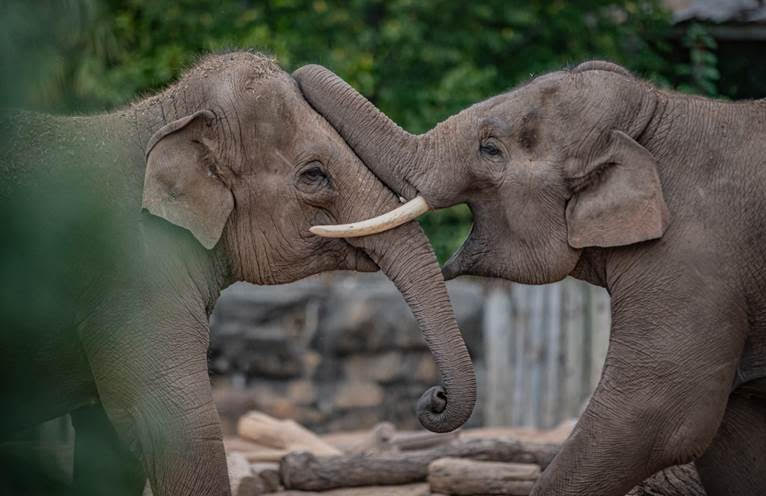
two elephants frolicking

A virus that kills young elephants in as little as 24 hours may have finally met its match. Scientists at Chester Zoo, the University of Surrey, and the Animal and Plant Health Agency have developed what they are calling the world’s first vaccine targeting elephant endotheliotropic herpesvirus, a disease that has quietly devastated both captive … Read more

Why Mamba Snake Bites Worsen After Antivenom

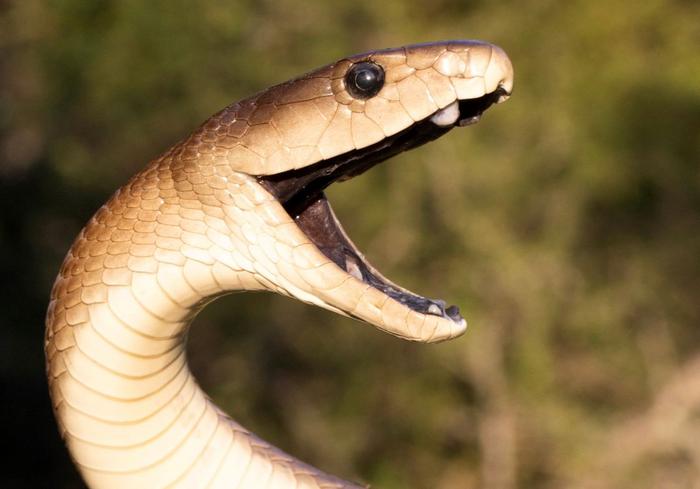
Black mamba

Doctors treating mamba snake bite victims have long puzzled over a disturbing pattern: patients who initially improve after receiving antivenom sometimes deteriorate again, their muscles seizing in painful, uncontrolled spasms. Now researchers at The University of Queensland have uncovered why this happens, revealing that three of the four mamba species deploy a two-pronged neurological attack … Read more

Wild Octopus Arms Reveal Secrets of Nature’s Most Flexible Limbs

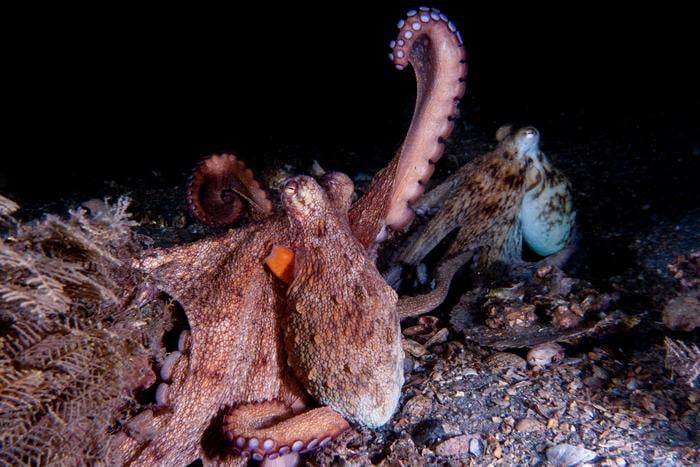
Octopus americanus (common octopus) from the south Florida area raises an arm. Credit: Chelsea Bennice

Marine researchers have captured the most comprehensive catalog ever assembled of how octopuses wield their eight arms in the wild, documenting nearly 4,000 arm movements from 25 creatures across six diverse underwater habitats spanning the Caribbean to Spain. The findings, published this week in Scientific Reports, reveal that octopus arms operate with a sophistication that … Read more

Study links thumb length and brain size in primates

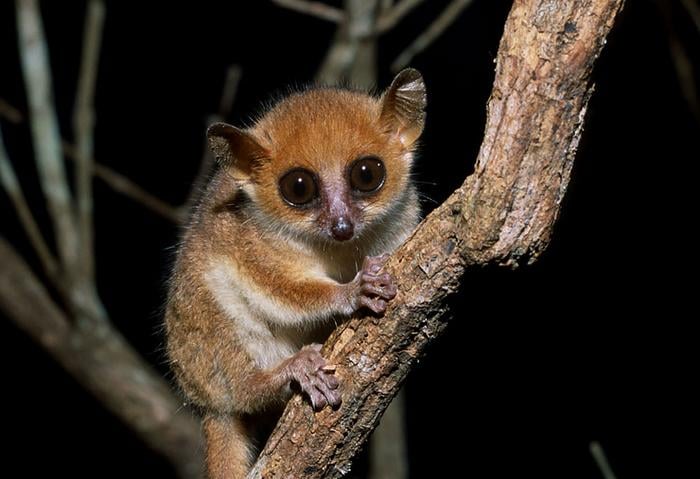
Madame Berthe's mouse lemur, is threatened with extinction.

Our brains grew as our thumbs stretched. That is the striking conclusion of a new study in Communications Biology, which finds that primates with longer thumbs also tend to have larger brains. Using data from 95 living and fossil species, researchers at Durham University and the University of Reading report that the link holds across … Read more

Why some ants become queens while others toil

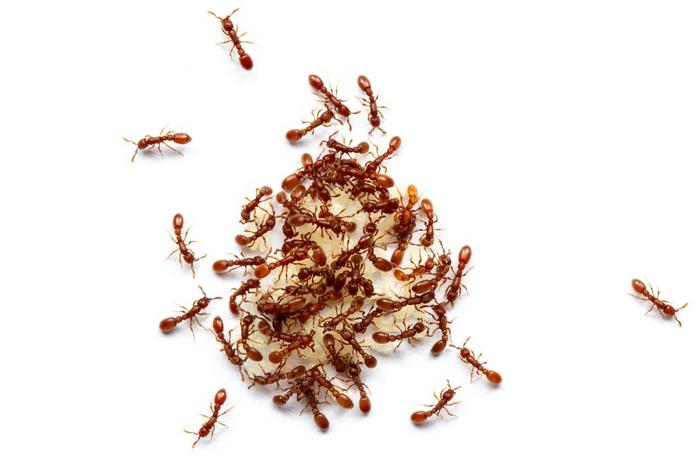
A colony of clonal raider ants raised in the Kronauer lab, seen from above.

In the complex world of ant colonies, who becomes a queen and who stays a worker isn’t just about size—it’s about what that size means, genetically. A new study from Rockefeller University, published in PNAS, reveals that while larger ants are more likely to develop queen-like traits, genes ultimately determine how body size maps to … Read more

Why Mammals Keep Evolving to Eat Ants—Over and Over Again

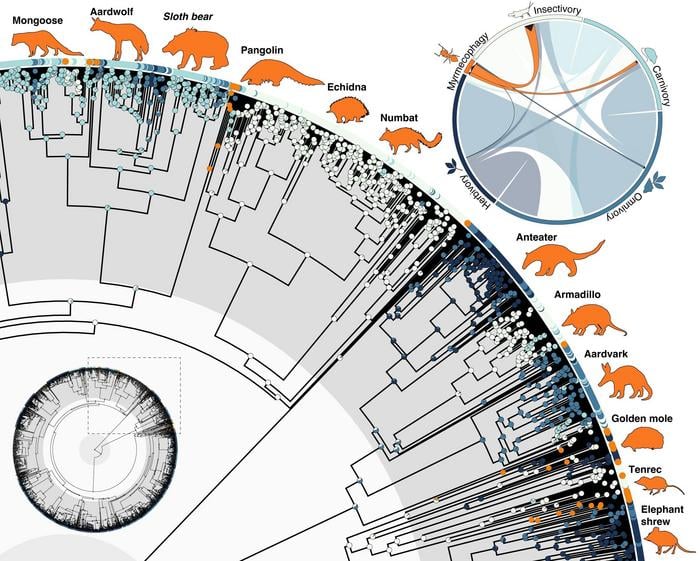
A mammal phylogeny with colors depicting the diet of living species and their ancestors; silhouettes of myrmecophagous mammals surround the tree. An inset diagram in the upper right illustrates transitions between dietary states.

The extreme appetite for ants and termites has independently emerged in mammals at least 12 separate times over the past 66 million years, according to new research that reveals one of evolution’s most unusual dietary obsessions. Scientists at New Jersey Institute of Technology traced this specialized feeding strategy across thousands of mammal species, discovering that … Read more

Turtles Rarely Get Cancer Despite Living 150+ Years

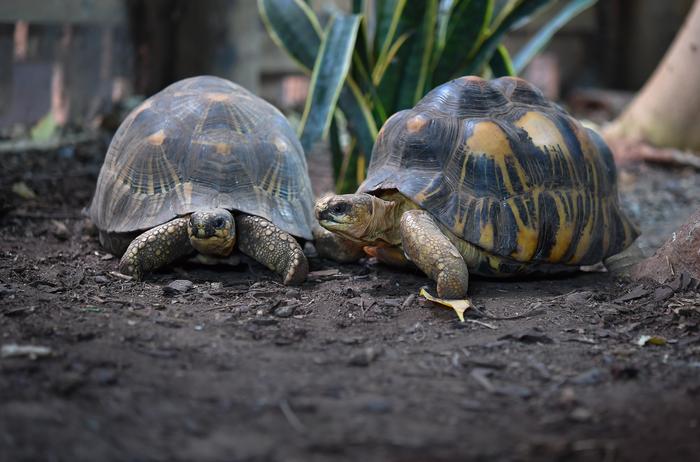
two turtles

Giant tortoises can weigh hundreds of kilograms and live over 150 years—conditions that should make cancer inevitable. Yet new research reveals these ancient reptiles develop cancer at remarkably low rates, with only 1% of individuals affected compared to much higher rates in mammals and birds. The findings could unlock secrets for preventing cancer in humans. … Read more

Pythons Grow Special Cells to Digest Entire Skeletons

albino burmese python

Most predators leave bones behind when they eat, but Burmese pythons swallow their prey whole—skeleton and all. Now scientists have discovered how these massive snakes accomplish this feat: they’ve evolved specialized intestinal cells that capture excess calcium and phosphorus from dissolved bones, preventing potentially fatal mineral overload. The discovery, published in the Journal of Experimental … Read more

Feral Rabbits Don’t Just Go Wild — They Evolve Into Something Entirely New

feral rabbit

When domesticated rabbits escape captivity and establish wild populations, they don’t simply revert to their ancestral forms—instead, they develop distinct anatomical features never seen in either wild or domestic rabbits. A comprehensive study of 912 rabbit skulls from around the world reveals that feralisation creates novel evolutionary pathways, with escaped domestic rabbits occupying an intermediate … Read more

Prairie Dogs Found With Genes That Beat the Black Death

A juvenile black-tailed prairie dog emerges cautiously from its burrow in Boulder County, Colorado.

A small band of prairie dogs that survived one of nature’s most devastating bacterial killers has revealed genetic secrets that could reshape how scientists approach wildlife disease outbreaks. These Colorado survivors carry DNA variants that helped them withstand sylvatic plague—the same pathogen that caused the Black Death in medieval Europe. When plague swept through Boulder … Read more