

The connection between what Americans eat and the chemicals coursing through their bloodstreams just became crystal clear, thanks to new research that tracked pesticide levels in nearly 2,000 people across the United States.
Scientists from the Environmental Working Group discovered that people who regularly consumed strawberries, spinach, and bell peppers – produce items known for heavy pesticide contamination – carried significantly higher levels of harmful chemicals in their urine compared to those who stuck to cleaner options like sweet corn and onions.
“The findings reinforce that what we eat directly affects the level of pesticides in our bodies.”
The study, published in the International Journal of Hygiene and Environmental Health, represents one of the most comprehensive examinations to date of how dietary choices translate into internal chemical exposure. Researchers analyzed government data on pesticide residues found on 44 types of produce between 2013 and 2018, then matched this information with dietary surveys and urine tests from participants in a major federal health study.
The Dirty Truth About Clean Eating
What emerged was a clear pattern: the more contaminated produce people ate, the higher their internal pesticide levels climbed. The research team created a “dietary pesticide exposure score” that weighted each fruit and vegetable based on four factors – how often pesticides were detected, how many different chemicals were found, their total concentration, and their relative toxicity.
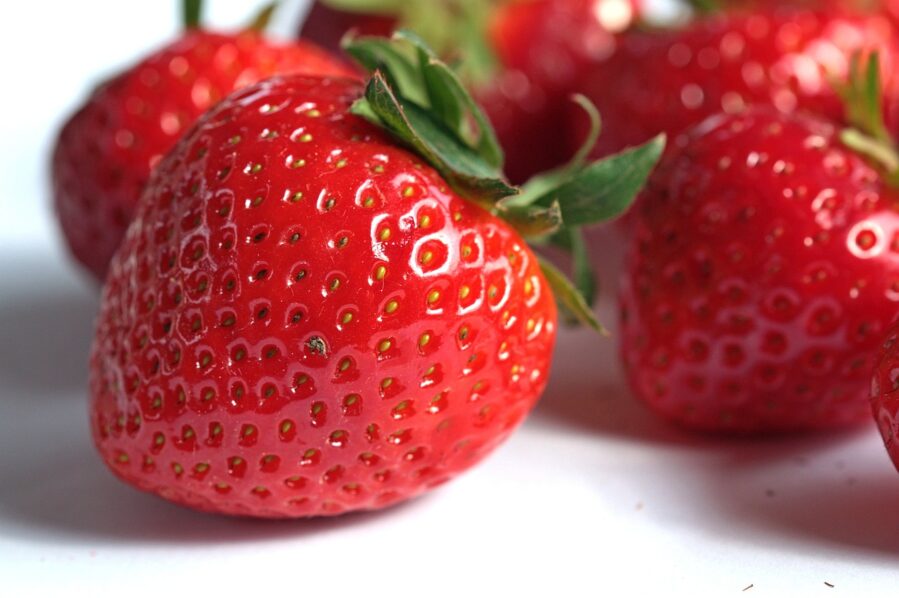
Spinach topped the contamination charts with a near-perfect score of 100, followed closely by kale, strawberries, and potatoes. At the opposite end, sweet corn scored just 1, with onions, orange juice, and frozen peas also ranking as relatively clean options.
Beyond the Shopping Cart
The implications extend far beyond a simple grocery list. Pesticides have been linked to cancer, reproductive problems, hormone disruption, and developmental issues in children – health concerns that take on new urgency when considered alongside the 178 unique pesticide compounds detected across the produce samples.
“Young children and pregnant people are particularly susceptible to the harms from exposure.”
When Potatoes Muddy the Waters
One of the study’s most intriguing findings involved potatoes, which initially seemed to scramble the researchers’ results. Only when potatoes were excluded from the analysis did the clear relationship between contaminated produce consumption and internal pesticide levels emerge.
The potato puzzle likely stems from how Americans consume them – often as highly processed chips and fries that may alter pesticide residue patterns. Potatoes also harbor chlorpropham, a sprouting inhibitor that doesn’t show up in standard urine tests, potentially masking other exposure patterns.
The Measurement Challenge
The research team faced a fundamental limitation: federal health surveys only test urine for 17 pesticide markers, while food samples contained residues from 178 different chemicals. This means the true scope of dietary pesticide exposure remains largely invisible to current monitoring systems.
Chemical Cocktails on Every Plate
The strongest associations appeared when researchers matched pesticides found in food with those actually measured in urine – primarily insecticides from the organophosphate, pyrethroid, and neonicotinoid families. People in the highest exposure group had urinary biomarker levels roughly 17 percent higher than those in the lowest exposure category.
Individual chemicals showed even more dramatic differences. Dimethyldithiophosphate levels varied by 130 percent between high and low exposure groups, while other pesticide markers differed by 50 percent or more.
The study validates what organic food advocates have long argued: switching to pesticide-free produce can rapidly reduce internal chemical burdens. Previous intervention studies have shown that people who switch from conventional to organic fruits and vegetables see their pesticide biomarkers drop within days.
Yet the researchers emphasize that fruits and vegetables remain essential for good health, regardless of how they’re grown. The challenge lies in helping consumers navigate the complex landscape of produce contamination while maintaining nutritious diets.
Current federal regulations evaluate pesticides individually, failing to account for the chemical cocktails that routinely show up on dinner plates. This regulatory gap becomes more concerning as research increasingly focuses on mixture effects – how combinations of chemicals might interact in ways that amplify their individual impacts.
The methodology developed by the Environmental Working Group scientists could provide regulators and researchers with new tools for assessing real-world chemical exposures, particularly for vulnerable populations like children and pregnant women who face heightened risks from pesticide contact.
For now, consumers seeking to minimize their pesticide intake while maximizing nutritional benefits can prioritize organic versions of the most contaminated items – the so-called “Dirty Dozen” that includes strawberries, spinach, kale, peaches, pears, nectarines, apples, grapes, bell peppers, cherries, blueberries, and green beans.
The research underscores a broader challenge in American food policy: balancing the undeniable health benefits of fruit and vegetable consumption against the reality that much of our produce supply carries measurable levels of chemicals designed to kill living organisms.
International Journal of Hygiene and Environmental Health: 10.1016/j.ijheh.2025.114654