
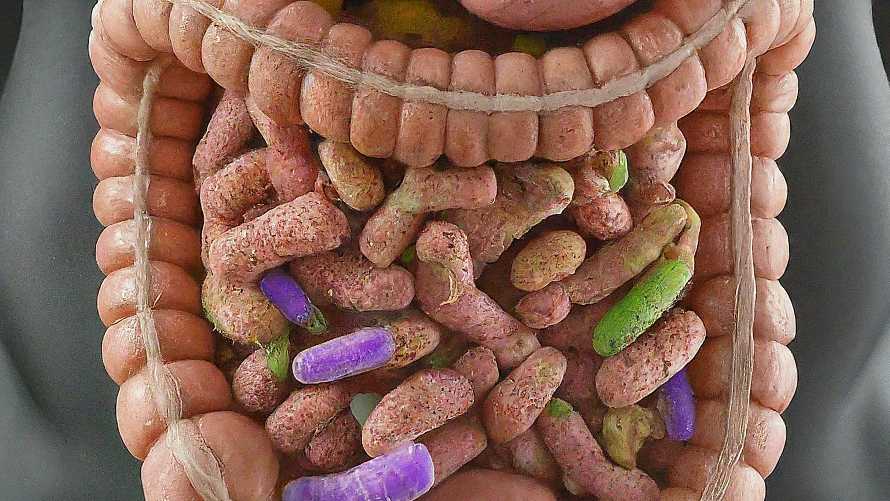
A naturally occurring molecule made by gut bacteria has been shown to reverse liver injury and repair the gut lining, according to new research from UC Davis Health. The compound, called 10-hydroxy-cis-12-octadecenoic acid (10-HSA), was able to heal both organs in mice exposed to aflatoxin, a common foodborne toxin.
The findings, published in mBio, suggest a safe, microbially derived therapy for non-alcoholic fatty liver disease (NAFLD) and related conditions that disrupt the gut-liver axis.
Healing Two Organs at Once
The gut and liver are tightly linked through bile acids, immune signaling, and lipid metabolism—a relationship known as the gut-liver axis. Damage to one often harms the other. In NAFLD, also called metabolic dysfunction-associated steatotic liver disease (MASLD), disrupted lipid metabolism fuels inflammation and weakens the gut’s protective barrier.
“This is the first time a single microbial molecule has been shown to repair both the liver and gut together,” said lead author Satya Dandekar, chair of the Department of Medical Microbiology and Immunology at UC Davis Health.
From Bacteria to Biotherapy
10-HSA is produced by Lactobacillus species naturally present in the gut. When administered orally to aflatoxin-exposed mice, it:
- Restored the gut’s epithelial barrier
- Brought bile acid metabolites like cholesterol and deoxycholate back to healthy levels
- Improved liver energy metabolism and detoxification
- Normalized gut immune responses
These effects were driven by activation of a protein called PPARα, which regulates lipid metabolism. PPARα is often suppressed in chronic liver disease. By turning it back on, 10-HSA reduced fibrosis-promoting TGF-β signaling and supported tissue repair without toxic side effects.
Aflatoxin and Global Health
Aflatoxin, produced by molds on crops like peanuts and corn, is a major cause of liver injury worldwide. In regions with poor food storage and safety, exposure is common and can lead to NAFLD, cirrhosis, and cancer. The UC Davis team’s results point toward a preventive supplement for at-risk populations.
“It would truly be a unique and exciting opportunity if we can provide a microbially derived supplement that can alleviate or prevent the detrimental impact on human health,” said first author Dylan Kramer.
Beyond Short-Chain Fatty Acids
Most microbiome therapies focus on short-chain fatty acids. This study broadens the search to larger, more complex metabolites that act directly at sites of inflammation. The researchers found that 10-HSA also improved gut microbial diversity and increased beneficial metabolites like ursodeoxycholate, which aids bile flow.
Next Steps
With no observed toxicity and strong preclinical results, the team plans to move toward human clinical trials, especially for people with fatty liver disease or high aflatoxin exposure. If successful, 10-HSA could become a model for using specific microbial metabolites—not whole probiotic strains—to target organ systems linked by shared biology.
Journal and DOI
mBio, “Microbial biotherapeutic metabolite alleviates liver injury by restoring hepatic lipid metabolism through PPARα across the gut-liver axis,” DOI: 10.1128/mbio.01718-25
ScienceBlog.com has no paywalls, no sponsored content, and no agenda beyond getting the science right. Every story here is written to inform, not to impress an advertiser or push a point of view.
Good science journalism takes time — reading the papers, checking the claims, finding researchers who can put findings in context. We do that work because we think it matters.
If you find this site useful, consider supporting it with a donation. Even a few dollars a month helps keep the coverage independent and free for everyone.