

Prostate cancer has found an unlikely accomplice in a hormone system long associated with metabolism. In a new study published in Molecular Cancer, researchers report that thyroid hormone receptor beta, or TRβ, helps drive prostate tumor growth, and that blocking it with an experimental antagonist called NH-3 slows disease in cells and mouse models.
The team, led by Umeå University and the Medical University of Vienna, traced a clear mechanistic link: thyroid hormone signaling stabilized the androgen receptor, the core engine of prostate cancer proliferation, while NH-3 treatment degraded androgen receptor protein and dialed down hallmark targets like PSA and NKX.1. In the lab, that meant fewer dividing cells. In mice, that meant smaller tumors, including in a castration-resistant model that mimics hard-to-treat disease.
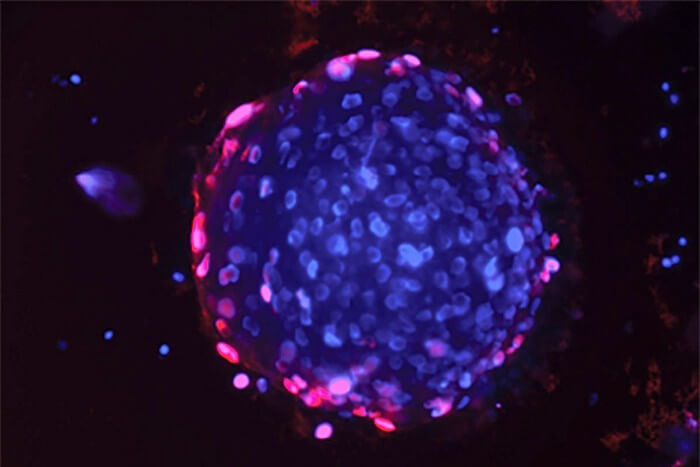
Picture the scene not in a clinic but at the bench, where time-lapse imaging tracks cell layers thinning as NH-3 takes hold, and calipers record tumor volumes that plateau instead of climbing. It is a granular portrait of an endocrine pathway hijacked by a common cancer, and a proof of concept that cutting that fuel line matters.
What The Study Found
Across a panel of prostate cancer cell lines, TRβ protein was broadly present. When investigators added the thyroid hormone T3 in hormone-free conditions, proliferation rose in androgen receptor positive cells, including the 22Rv1 line that models castration-resistant prostate cancer. NH-3 flipped that script: it blocked TRβ activity with nanomolar potency, curtailed proliferation under both hormone-depleted and full-media conditions, and reduced androgen receptor protein without changing AR mRNA, a telltale sign of post-transcriptional control.
In mice bearing 22Rv1 xenografts, daily NH-3 produced dose-dependent tumor growth inhibition, reaching about 80 percent at 3 mg/kg with no overt toxicity in body weight or organ histology. Oral dosing was effective too. Parallel experiments with LNCaP xenografts showed consistent, if slightly smaller, tumor suppression and stromal remodeling. Notably, combining NH-3 with the antiandrogen enzalutamide enhanced growth control, pointing to a two-pronged strategy against AR signaling.
Human data offered converging lines of evidence. Transcriptomic surveys showed higher THRB mRNA in tumors than in normal prostate tissue, while immunohistochemistry revealed elevated TRβ protein in patient samples. Whole exome sequencing from a treatment naive cohort highlighted frequent alterations in thyroid hormone signaling and synthesis pathways, including mutations in MED12 and other TRβ cofactor genes, suggesting the pathway is commonly perturbed in prostate cancer biology.
“The results indicate that the receptor in question is a driving force in the growth of cancer.”
That assertion from study lead Lukas Kenner is borne out by the systems level readouts. RNA sequencing after NH-3 treatment showed deregulation of TRβ and AR gene signatures, induction of stress response programs, cell cycle arrest, and suppression of lipid metabolism pathways. Flow cytometry confirmed a shift away from Ki-67 high cells, consistent with reduced proliferation, and cell cycle analysis demonstrated arrest in both LNCaP and 22Rv1 cells.
Why It Matters For Patients
Standard care aims to starve tumors of androgens, yet up to 20 percent of patients progress to castration resistant disease, often within a few years. The study suggests that thyroid hormone signaling can prop up the same androgen machinery clinicians try to shut down. By blocking TRβ, NH-3 appears to undercut that support, degrading androgen receptor protein and dampening its downstream network. In practical terms, that could strengthen existing antiandrogen regimens or reopen therapeutic windows in resistant disease.
Caution is warranted. NH-3 is a research tool, not a drug, and long term safety will need careful study, especially given thyroid hormone’s systemic roles. Still, the work resonates with a broader trend: nuclear receptors are druggable, and context matters. If TRβ activation can treat liver disease, its inhibition may tame specific cancers that exploit the same receptor to grow.
“Further research will have to answer what a treatment could look like, possibly in combination with other treatments.”
For now, the path forward is clear enough to test: validate TRβ as a biomarker of dependence, refine antagonists with favorable pharmacokinetics, and evaluate combinations with established AR inhibitors in rigorously designed trials. The study provides a foundation and a direction, turning an endocrine axis into a potential oncologic lever.