

A diabetes drug you can pick up at any pharmacy, combined with an over-the-counter antihistamine, might help rebuild the protective coating around nerves damaged by multiple sclerosis. It sounds almost too simple, but early trial results presented at Europe’s largest MS research conference suggest the combination actually works.
The phase two trial, called CCMR-Two, tested whether metformin (a common diabetes medication) and clemastine (an allergy drug) could repair myelin, the fatty sheath that insulates nerve fibers. In MS, the immune system attacks this protective layer, leaving nerves exposed and causing symptoms ranging from fatigue and pain to walking difficulties. Over 150,000 people in the UK live with the condition, and while roughly 20 treatments exist for relapsing MS, tens of thousands still lack effective options.
Measuring Success Through Vision
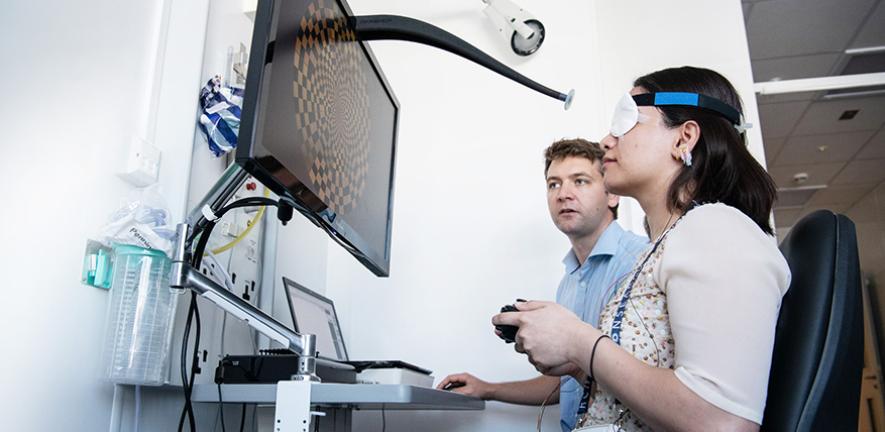
Seventy people with relapsing MS participated in the six-month trial at the University of Cambridge. Half received the drug combination, half got a placebo. Researchers measured success using a “visual evoked potential” test, which tracks how quickly electrical signals travel from the eyes to the brain. Faster signals mean better myelin.
The results were clear: signal speed declined in the placebo group but held steady in those taking the drugs. Dr. Nick Cunniffe, the clinical lecturer in neurology who led the trial, put it this way:
My instinct is that we are on the brink of a new class of treatments to stop MS progression.
But there is a catch. Participants did not actually feel better on the drugs. The benefit is not immediate symptom relief but long-term nerve protection. Think of it as insulation preventing future damage rather than a painkiller. The real payoff, researchers believe, will show up years down the line in slower disability progression.
The combination is not random. Animal studies had already shown that metformin amplifies clemastine’s effect on myelin repair, but this marks the first time the pair has been tested together in humans. The MS Society funded the research through its Stop MS Appeal, which aims to raise 100 million pounds by the end of 2025.
The Caution and the Hope
Cunniffe and his team stress that people should not start buying these drugs on their own. Further research is needed to understand long-term benefits and side effects. Metformin can cause digestive issues, and clemastine makes some people drowsy. How they interact over years in MS patients remains unknown.
Still, the excitement is palpable. Current MS treatments target only the immune system. They do nothing to stop the gradual nerve damage that leads to long-term disability. A drug that could actually rebuild myelin represents a fundamentally different approach.
These results are truly exciting, and could represent a turning point in the way MS is treated,
said Dr. Emma Gray, Director of Research at the MS Society.
Hannah Threlfell, 43, from Abington, joined the trial after her 2019 MS diagnosis. A former teacher now training as a curate, she remembers attending a lecture by MS specialist Professor Alasdair Coles before her diagnosis, impressed by the research progress. When her own diagnosis came, participating was obvious. She did not expect personal benefit but wanted to contribute to future treatments. The fact that the trial showed positive results gives her hope that effective treatments for everyone with MS might arrive within her lifetime.
The implications stretch beyond MS. Neurodegenerative diseases, from Alzheimer’s to Parkinson’s, all involve protecting the brain before irreversible damage occurs. These conditions cost the UK hundreds of billions annually and place enormous strain on the NHS and caregivers. If researchers can crack the code on myelin repair in MS, the approach might translate to other brain diseases.
Cunniffe believes that within the next decade, we could see the first licensed treatment that repairs myelin and meaningfully improves lives. That timeline feels both tantalizingly close and frustratingly far for people living with progressive disability right now. But the visual evoked potential results, presented at the European Committee for Treatment and Research in Multiple Sclerosis conference, suggest the science is moving in the right direction.
The next steps involve longer trials with larger groups to confirm safety and measure real-world disability outcomes. Only then will researchers know whether these two repurposed drugs can deliver on their promise of stopping MS in its tracks.