

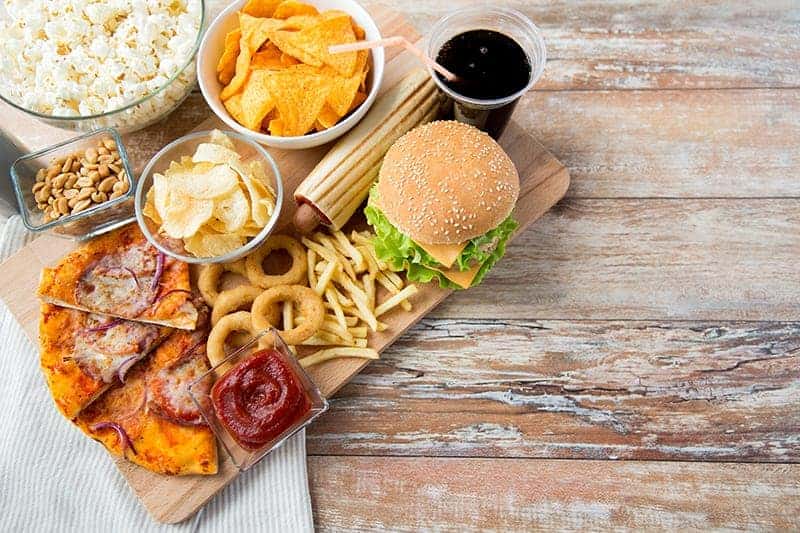
One in five women in their 50s and early 60s meets clinical criteria for addiction to ultra-processed foods, a rate that dwarfs addiction levels for alcohol and tobacco in the same age group, according to new research from the University of Michigan.
The study, published in the journal Addiction, analyzed data from more than 2,000 older Americans and found something striking: the generation that grew up surrounded by Doritos, Diet Coke, and microwaveable dinners shows addiction patterns their parents never developed. Among women aged 50 to 64, fully 21% meet diagnostic criteria for ultra-processed food addiction. For men in the same age bracket, it’s 10%. Compare that to adults just a decade or two older – those aged 65 to 80 show rates of only 12% for women and 4% for men.
The timing isn’t coincidental. Today’s Gen Xers were children and teenagers during the 1970s and 1980s, precisely when tobacco companies expanded into food manufacturing and engineered products designed for maximum appeal. Low-fat cookies, sweetened cereals, and an explosion of convenience foods entered American kitchens during what researchers now recognize as a critical developmental window.
The Gender Gap Runs Opposite to Other Addictions
Unlike alcohol or tobacco addiction – which remain more common in older men – ultra-processed food addiction hits women harder. The researchers point to aggressive marketing of “diet” foods to women throughout the 1980s as one explanation. Products positioned as weight-control solutions, loaded with refined carbohydrates but stripped of fat, may have actually reinforced addictive eating patterns in women who encountered them during adolescence and early adulthood.
The study used the modified Yale Food Addiction Scale 2.0, applying the same diagnostic criteria used for substance use disorders to foods like sweets, salty snacks, and sugary beverages. Participants answered questions about 13 experiences that define addiction: strong cravings, repeated failed attempts to cut back, withdrawal symptoms, and avoiding social situations for fear of overeating.
“The percentages we see in these data far outpace the percentages of older adults with problematic use of other addictive substances, such as alcohol and tobacco.”
That’s Ashley Gearhardt, a psychology professor at U-M who leads the Food and Addiction Science & Treatment Lab. The numbers bear her out. The overall addiction rate of 12.4% for ultra-processed foods exceeds the 1.5% rate for alcohol use disorder and 4% rate for tobacco use disorder among older adults.
Weight Perception Strongly Linked to Addiction Risk
The correlation with self-reported weight status proved particularly strong. Men who described themselves as overweight were 19 times more likely to meet addiction criteria than those who said their weight was about right. For women reporting being overweight, the risk jumped 11-fold. Across the sample, 33% of women who called themselves overweight and 17% of men in that category met addiction criteria.
Mental and physical health showed clear associations too. Adults reporting fair or poor mental health were three to four times more likely to show signs of food addiction. Those who felt socially isolated “some of the time” or “often” were more than three times as likely to meet addiction criteria as those who rarely felt isolated.
The researchers suggest that people perceiving themselves as overweight may be especially vulnerable to what they call “health-washed” ultra-processed foods – products marketed as low-fat or high-protein but still engineered to trigger cravings. These show up in grocery aisles as 100-calorie snack packs, protein bars loaded with sugar alcohols, and meals promising nutrition while delivering the same refined ingredients that characterize junk food.
“These products are sold as health foods – which can be especially problematic for those trying to reduce the number of calories they consume. This especially affects women, because of the societal pressure around weight.”
Lucy Loch, a graduate student in psychology at U-M and the study’s lead author, notes that today’s older adults occupied a unique position in food history. They lived through the transformation of the American diet during developmentally sensitive years. Research on other addictive substances shows that exposure before age 25 significantly increases addiction risk – and Gen X encountered ultra-processed foods during exactly that high-risk window.
The implications extend beyond this generation. Today’s children and adolescents consume even higher proportions of calories from ultra-processed foods than middle-aged adults did in their youth. If the pattern holds, future generations may show even steeper rates of food addiction in later life.
The study, conducted in July 2022 through the U-M National Poll on Healthy Aging, drew from a nationally representative sample designed to reflect the U.S. household population. Participants completed the survey online or by telephone, with a 68.6% completion rate. The research excluded anyone who didn’t complete all items on the addiction scale, leaving 2,038 respondents in the final analysis.
One limitation: the data were collected during the COVID-19 pandemic, when social isolation ran high and snacking reportedly increased. The researchers used single-item measures of health status to reduce survey burden, which may not capture the full complexity of physical and mental health. Future studies will need longitudinal data to establish whether food addiction causes health problems or vice versa, along with more robust measures of diet quality and body composition.
The findings raise questions about whether early intervention – similar to prevention programs for alcohol and tobacco – might reduce food addiction risk across the lifespan. As Gearhardt notes, today’s food environment remains saturated with ultra-processed products, and the generation now entering middle age grew up with even more pervasive exposure than Gen X did.