

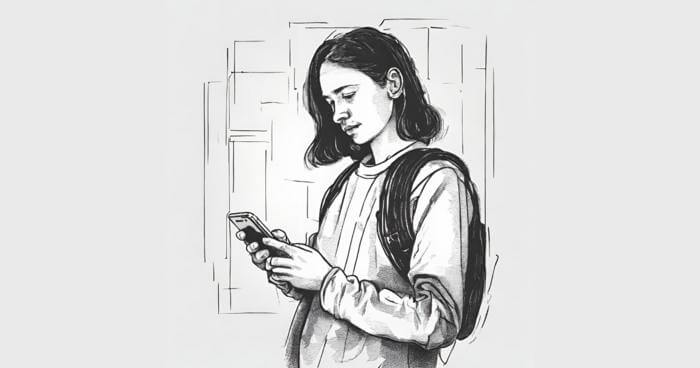
Stressed? Try watching a five-minute inspirational video. According to new research, it might be just as effective as meditation at calming your nerves.
Scientists at UC Santa Barbara compared different approaches to stress reduction in over 1,000 American adults during the 2023 holiday season. They divided participants into groups: some watched daily inspirational videos about people overcoming adversity, others viewed comedy clips, a third group listened to guided meditations, and a fourth scrolled through their phones. A control group received no intervention at all.
The Surprising Power of Inspiration
The results were striking. People who watched inspirational videos experienced significantly more hope during the intervention week compared to the control group, and that hope predicted lower stress levels not only a few days later but up to 10 days after the intervention ended. Even more remarkable: the inspirational videos worked just as well as meditation.
Though there are many effective ways to deal with stress, people often feel too busy or overwhelmed to enact these strategies. What we found is that even a few minutes of watching content that makes people feel hopeful can put a dent in that stress.
Lead author Robin Nabi explains the mechanism behind these findings. Hope is not just uplifting in the moment, she notes. When people see others overcoming adversity, it can spark the belief that they too can persevere, survive and thrive. That sense of possibility helps counteract stress and can have enduring benefits beyond the simple moment of viewing.
What About Laughter?
Interestingly, comedy videos did make people laugh and feel entertained, but those feelings did not translate into reduced stress levels 10 days later. The comedic content showed some immediate stress-reducing effects, but these faded more quickly than the hope generated by inspirational stories.
The meditation group also showed significant stress reduction through the same pathway as inspirational videos: by evoking hope. Both interventions required just five minutes per day for five days, yet their benefits lasted well beyond the intervention period.
The research, published in Psychology of Popular Media, tested these interventions across people with varying levels of baseline stress, self-esteem, resilience, age, and gender. The encouraging news? The benefits appeared regardless of these individual differences, though there were hints that older adults and those with higher baseline stress might benefit even more.
For the phone-scrolling group, results were mixed. While scrolling did not show consistent stress-reduction effects, some participants with lower resilience or higher self-esteem did experience small benefits through feelings of hope.
This research adds to a growing body of evidence supporting the “media prescription” approach, where short doses of emotionally uplifting media are used to promote mental well-being. The findings suggest that strategically curated media, especially content that evokes hope, could be a practical and accessible tool for supporting stress relief.
Nabi emphasizes that media consumption should not replace meditation or other well-supported stress management strategies. Rather, this is one more tool we can add to our toolbox to handle the stress that so many of us feel. In a world where Americans report feeling more anxious than in previous years, with the majority of young adults experiencing moderate to extreme stress daily, accessible interventions matter more than ever.
The practical implication is straightforward: if you are feeling stressed, consider taking a five-minute break to watch something genuinely inspiring. It might do more for your mental health than you think.