

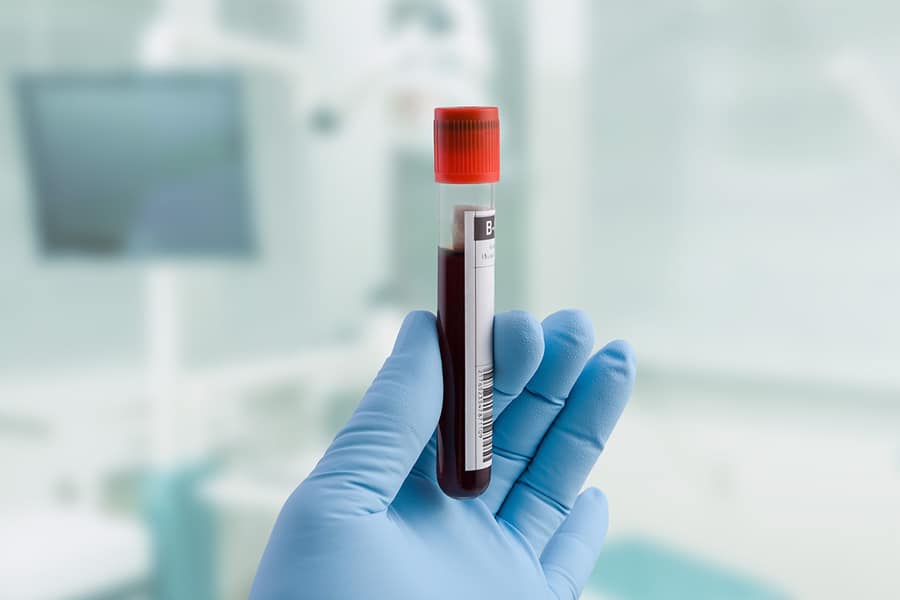
A single blood draw may soon detect dozens of cancers before symptoms ever appear. In a new study published in CANCER, researchers report that routine liquid biopsy screening could dramatically shift cancer detection toward earlier, more treatable stages across 14 major tumor types.
Today, routine screening is recommended for only four cancers: breast, cervical, colorectal, and lung. That leaves roughly 70 percent of new cases discovered only after symptoms emerge, often too late for curative therapy. Researchers at Massachusetts General Hospital and Harvard Medical School set out to see how a multi-cancer early detection (MCED) blood test might change that landscape.
Led by Jagpreet Chhatwal, the team simulated cancer progression in 5 million U.S. adults aged 50 to 84. Their microsimulation model, based on national cancer registry data, tested what would happen if patients received an annual MCED test alongside standard care. The results were striking: a projected 45 percent reduction in late stage (Stage IV) diagnoses over 10 years, with corresponding increases at every earlier stage.
“Our analysis shows that multi-cancer blood tests could be a game changer for cancer control,” said Chhatwal. “By detecting cancers earlier, before they spread, these tests could potentially improve survival and reduce the personal and economic burden of cancer.”
The model estimated that Stage I diagnoses would rise by 10 percent, Stage II by 20 percent, and Stage III by 34 percent. The largest absolute reductions in advanced cancers were seen in lung, colorectal, and pancreatic tumors, while the biggest relative declines occurred in cervical, liver, and colorectal cancers. Even when the authors adjusted for lower test sensitivity or imperfect participation, the benefit persisted, though at smaller magnitudes.
From Late Discovery To Early Detection
In the base scenario, Stage IV cancer incidence fell from 2,108 to 1,159 cases per 100,000 people. Lung cancer cases dropped by nearly half, from 765 to 400 per 100,000. Colorectal and pancreatic cancers fell by similar proportions. When breast and prostate cancers—where the test performs less reliably—were excluded, the reduction in late stage disease improved to 50 percent.
For context, the analysis covered 14 solid tumors representing nearly 80 percent of all cancer incidence and mortality. Blood cancers such as leukemia and lymphoma were excluded because their staging systems differ. The simulation assumed perfect adherence and 100 percent uptake to measure the upper bound of benefit. When those rates were reduced to 50 percent, late stage reductions still reached about 24 percent, highlighting the potential public health impact even with partial participation.
Testing frequency made the biggest difference. Annual testing cut late stage diagnoses by 45 percent, but switching to every two years cut the benefit to 28 percent, and every three years to 22 percent. A one time test reduced late stage diagnoses by only 7 percent. According to the authors, consistent annual screening would be essential to sustain the advantage.
What The Findings Could Mean
The model’s modest 2.8 percent rise in total diagnoses suggests that widespread blood testing would not trigger massive overdiagnosis—a common concern with screening programs. The greatest stage shifts appeared in the first year, reflecting detection of existing, previously hidden disease. The pattern then stabilized over the decade, implying a sustainable long term benefit.
Chhatwal’s group emphasized that these results come from simulation, not clinical outcomes. Real world test performance and patient behavior could temper the gains. Still, they argue that the findings make a compelling case for investing in clinical trials and implementation research to verify the population level impact.
“Stage IV cancer is devastating for patients and costly for society,” said Chhatwal. “If blood based screening can prevent even a fraction of those cases, the implications for quality of life and survival are enormous.”
The study concludes that multi-cancer blood tests, when added to existing screening, could reshape the timeline of diagnosis for millions of people. Picture it: a few milliliters of blood revealing dozens of threats long before they announce themselves. It is not a cure, but it may be the most sweeping change in cancer detection since the advent of the mammogram.