
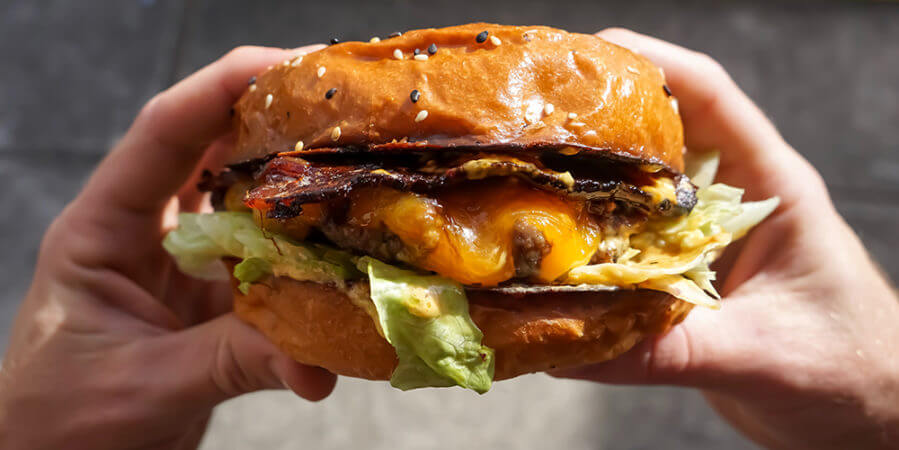
Lab-grown beef is inching closer to your dinner plate thanks to a breakthrough from ETH Zurich scientists who have managed to grow thick, functional muscle tissue from cow cells in the lab.
Unlike previous attempts that produced only thin, inconsistent fibers, the new method uses a three-molecule cocktail to generate muscle that not only looks but contracts and functions like real meat. While it’s not yet approved for consumption in Switzerland, this new approach could help cultivated beef catch up to lab-grown chicken, which is already for sale in Singapore.
A New Recipe for Cultivated Muscle
Led by regenerative biology expert Professor Ori Bar-Nur, the ETH Zurich team grew bovine muscle from myoblasts—precursor cells isolated from standard beef cuts like fillet and sirloin. The breakthrough came when researchers added a specific combination of three small molecules to the cell culture medium:
- Forskolin: boosts cAMP signaling
- RepSox: blocks TGF-β receptors
- CHIR99021: inhibits GSK3-β to promote WNT signaling
Known collectively as “FRC,” this cocktail was originally developed by Bar-Nur during his postdoctoral work at Harvard. It jumpstarts cell differentiation and helps produce muscle that more closely resembles what’s found in a cow—not just in form but in gene and protein expression, too.
Contracting Like the Real Thing
The researchers didn’t stop at 2D cultures. They built three-dimensional muscle rings using tissue engineering methods, embedding the cells in fibrin and matrigel scaffolds. These rings visibly contracted—just like real muscle—when treated with the FRC mix, unlike those grown with standard methods.
“These innovative new food products will have to undergo a prolonged and complex authorisation procedure before they reach shop shelves and, ultimately, our plates,” said study co-lead author Adhideb Ghosh.
Why This Matters
Producing beef without slaughtering animals could reduce land use and greenhouse gas emissions—though the environmental benefits are still debated. More immediately, the ability to grow thicker, more realistic meat may help companies create cultivated products like steak and filet, which require structured muscle tissue, not just minced meat substitutes.
According to doctoral student Christine Trautmann, another lead author, “The cell culture medium requires further optimisation to make it more affordable and safe for consumption. Additionally, we need to explore ways to produce these muscle fibres in larger quantities.”
Next Steps: Scale and Safety
Though the muscle grown so far amounts to just a few grams, the team is now focused on scaling up production. The small molecules used are only needed early in the process and can be removed before any potential food product is made—helping pave the way for regulatory approval.
Professor Bar-Nur is even considering launching a start-up to bring the technology to market, potentially allowing consumers one day to enjoy burgers made from real beef, minus the cow.
Journal Reference
Journal: Advanced Science
Article: Enhanced media optimize bovine myogenesis in 2D and 3D models for cultivated meat applications
Authors: Christine L. Trautmann, Adhideb Ghosh, Ali Kerem Kalkan, Falko Noé, Ori Bar-Nur
DOI: 10.1002/advs.202413998
Publication Date: July 29, 2025
ScienceBlog.com has no paywalls, no sponsored content, and no agenda beyond getting the science right. Every story here is written to inform, not to impress an advertiser or push a point of view.
Good science journalism takes time — reading the papers, checking the claims, finding researchers who can put findings in context. We do that work because we think it matters.
If you find this site useful, consider supporting it with a donation. Even a few dollars a month helps keep the coverage independent and free for everyone.