
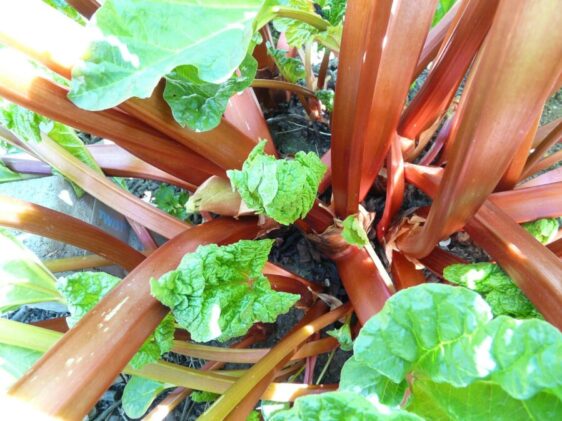
Scientists have discovered that curcumin from turmeric and emodin from rhubarb can effectively combat antibiotic-resistant bacteria lurking in wastewater treatment plants.
The research, conducted at Utah State University, found multiple strains of “superbug” bacteria in sewage effluent that resist even last-resort antibiotics like colistin, raising concerns about public health risks from contaminated water sources.
The study isolated nine different antibiotic-resistant bacterial strains from a wastewater treatment plant in Logan, Utah. One strain showed resistance to all eight antibiotics tested, while several others proved resistant to six or more drug classes. These bacteria could potentially transfer resistance genes to more dangerous pathogens like E. coli, creating new threats to human health.
Hidden Reservoirs of Resistance
“Without improved treatment, wastewater could serve as a breeding ground for ‘superbugs’ that may enter water resources such as rivers, lakes, and reservoirs, posing potential risks to public health,” explained Dr. Liyuan ‘Joanna’ Hou of Utah State University, the study’s senior author.
The bacteria identified—including Microbacterium, Chryseobacterium, Lactococcus lactis, and Psychrobacter species—aren’t typically dangerous to healthy people. However, they pose two significant risks: they can cause infections in immunocompromised patients, and they may act as genetic reservoirs, transferring resistance genes to more dangerous bacteria.
Whole-Genome Analysis Reveals Resistance Mechanisms
Using advanced whole-genome sequencing, researchers identified the specific genes responsible for antibiotic resistance in four selected strains. The analysis revealed a diverse array of resistance mechanisms, including β-lactamase enzymes that break down antibiotics, efflux pumps that expel drugs from cells, and modified target proteins that reduce antibiotic binding.
One particularly concerning finding was the presence of the sul3 gene across all tested strains, which confers resistance to sulfonamide antibiotics. This gene is typically associated with human-derived sources, suggesting direct contamination from medical waste and human excretion.
Natural Compounds Show Promise
The research team tested eleven natural compounds derived from plants and microbes against the resistant bacteria. The most effective were:
- Curcumin (from turmeric) – inhibited growth and biofilm formation in multiple strains
- Emodin (from rhubarb) – showed broad-spectrum activity against cell growth and biofilms
- Quercetin (from onions and apples) – selective effectiveness against certain strains
- Chlorflavonin – demonstrated growth inhibition in specific bacterial types
The compounds worked by disrupting bacterial cell membranes, interfering with DNA synthesis, and preventing biofilm formation—the protective layers that help bacteria survive harsh conditions and resist treatment.
Gram-Negative Bacteria Prove Stubborn
A critical limitation emerged during testing: Gram-negative bacteria like Chryseobacterium showed complete resistance to all natural compounds tested. This resistance likely stems from their unique outer membrane structure, which creates an additional barrier against antimicrobial agents.
One detail not emphasized in the press release: the researchers had to exclude one strain (U7) from motility testing because it showed such strong resistance to the natural compounds. This finding highlights the particular challenge of controlling Gram-negative antibiotic-resistant bacteria in wastewater settings.
Environmental and Clinical Implications
The discovery of colistin-resistant bacteria in wastewater is particularly alarming. Colistin serves as a “last resort” antibiotic for treating multidrug-resistant infections. The fact that environmental bacteria have developed resistance to this critical drug suggests that resistance mechanisms are spreading more widely than previously recognized.
Hou emphasized that while these bacterial species aren’t traditionally classified as top-priority clinical pathogens, “some are opportunistic pathogens associated with infections such as pneumonia in immunocompromised individuals. These bacteria could also act as environmental reservoirs, transferring resistance genes to other bacteria, including clinically relevant pathogens.”
The research provides a framework for developing new wastewater treatment strategies using natural compounds. However, significant challenges remain before these findings can be applied practically, including testing effectiveness in complex wastewater environments and scaling up from laboratory to industrial applications.
The study appears in Frontiers in Microbiology and represents one of the first comprehensive analyses using whole-genome sequencing to understand antibiotic resistance in environmental bacteria, combined with systematic testing of natural antimicrobial compounds.
ScienceBlog.com has no paywalls, no sponsored content, and no agenda beyond getting the science right. Every story here is written to inform, not to impress an advertiser or push a point of view.
Good science journalism takes time — reading the papers, checking the claims, finding researchers who can put findings in context. We do that work because we think it matters.
If you find this site useful, consider supporting it with a donation. Even a few dollars a month helps keep the coverage independent and free for everyone.