Why Mammals Keep Evolving to Eat Ants—Over and Over Again
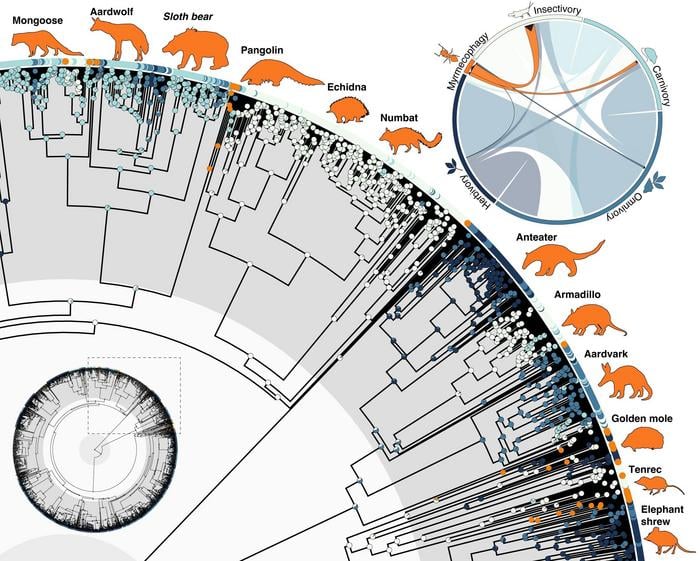
A mammal phylogeny with colors depicting the diet of living species and their ancestors; silhouettes of myrmecophagous mammals surround the tree. An inset diagram in the upper right illustrates transitions between dietary states.

The extreme appetite for ants and termites has independently emerged in mammals at least 12 separate times over the past 66 million years, according to new research that reveals one of evolution’s most unusual dietary obsessions. Scientists at New Jersey Institute of Technology traced this specialized feeding strategy across thousands of mammal species, discovering that … Read more
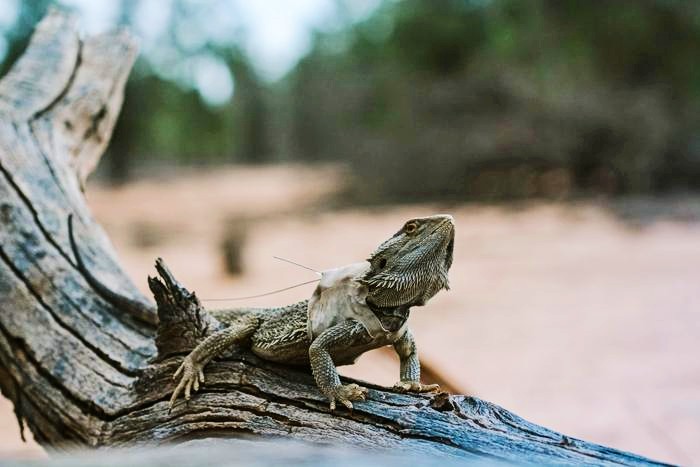
Faster Lizards, Faster Death: Counterintuitive Study Challenges Survival Norms

Dragons were fitted with temperature and movement trackers.

Fitness trackers attached to wild bearded dragons have revealed a counterintuitive finding that challenges assumptions about animal survival. The fastest lizards were actually more likely to die than their slower counterparts, according to a year-long study that monitored 40 Australian central bearded dragons in their natural habitat. Researchers from the University of Melbourne fitted the … Read more

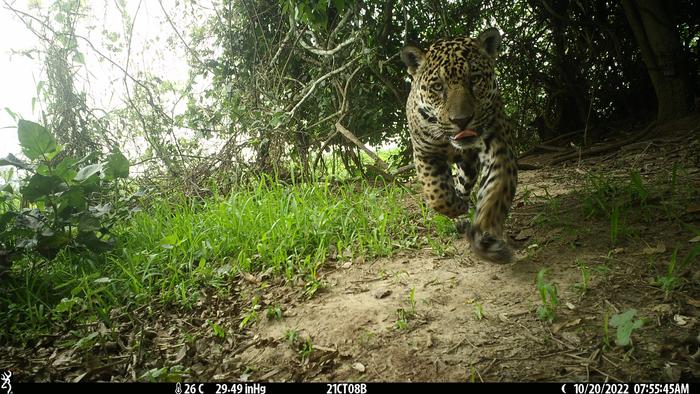
Jaguars Flood Into Brazilian Wetlands After Massive Wildfire

Jaguar in Pantanal region of Brazil.

When wildfires scorched half of Brazil’s northern Pantanal in 2020, researchers expected to find fewer jaguars in their long-term study site. Instead, they discovered something remarkable: the wetland had become a magnet for the big cats, drawing immigrants from fire-ravaged areas and boosting the local population to even higher densities. The finding suggests this corner … Read more

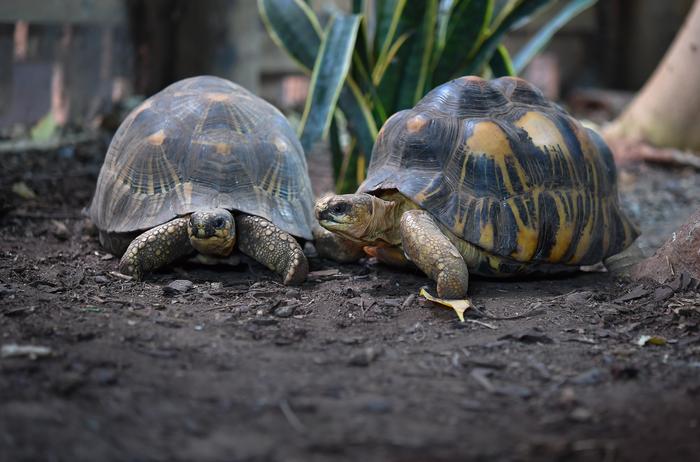
Turtles Rarely Get Cancer Despite Living 150+ Years

two turtles

Giant tortoises can weigh hundreds of kilograms and live over 150 years—conditions that should make cancer inevitable. Yet new research reveals these ancient reptiles develop cancer at remarkably low rates, with only 1% of individuals affected compared to much higher rates in mammals and birds. The findings could unlock secrets for preventing cancer in humans. … Read more

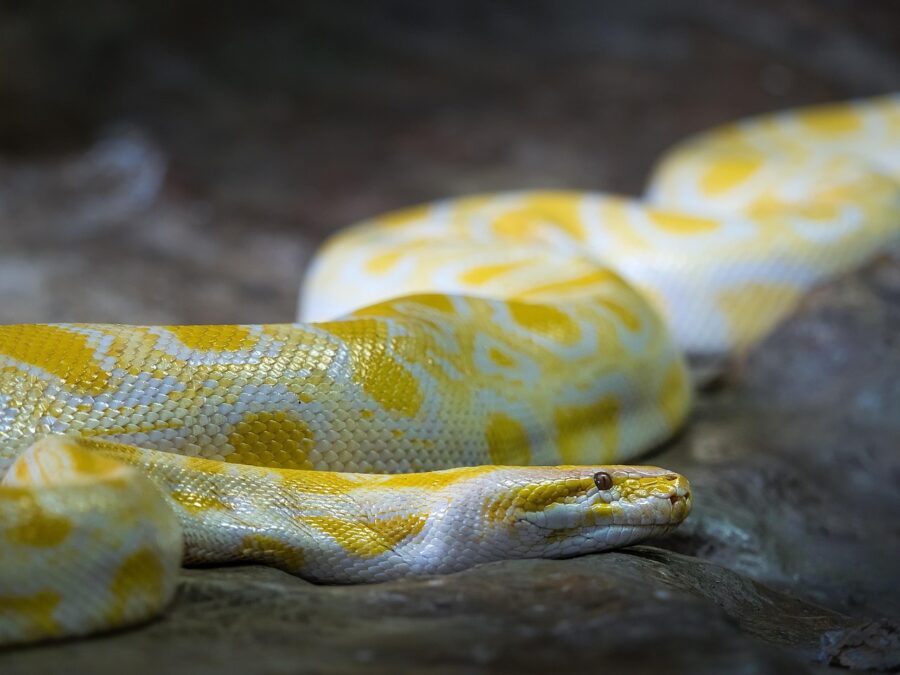
Pythons Grow Special Cells to Digest Entire Skeletons

albino burmese python

Most predators leave bones behind when they eat, but Burmese pythons swallow their prey whole—skeleton and all. Now scientists have discovered how these massive snakes accomplish this feat: they’ve evolved specialized intestinal cells that capture excess calcium and phosphorus from dissolved bones, preventing potentially fatal mineral overload. The discovery, published in the Journal of Experimental … Read more

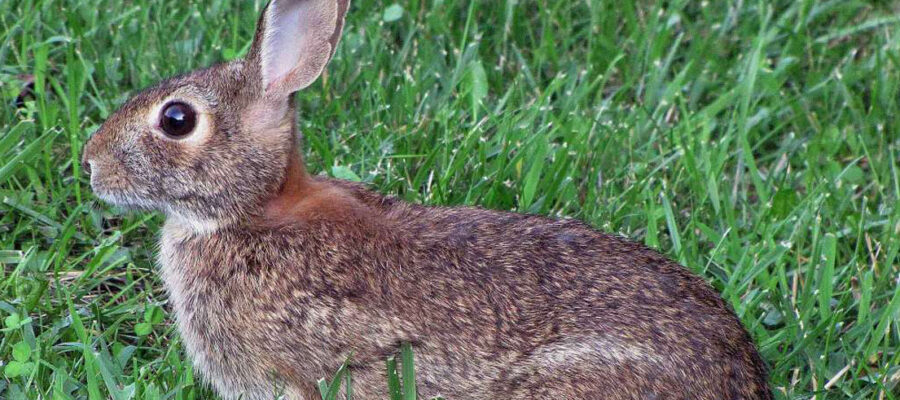
Feral Rabbits Don’t Just Go Wild — They Evolve Into Something Entirely New

feral rabbit

When domesticated rabbits escape captivity and establish wild populations, they don’t simply revert to their ancestral forms—instead, they develop distinct anatomical features never seen in either wild or domestic rabbits. A comprehensive study of 912 rabbit skulls from around the world reveals that feralisation creates novel evolutionary pathways, with escaped domestic rabbits occupying an intermediate … Read more

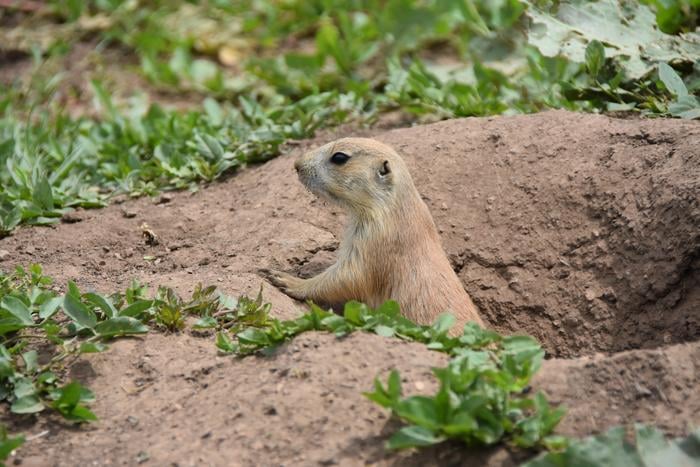
Prairie Dogs Found With Genes That Beat the Black Death

A juvenile black-tailed prairie dog emerges cautiously from its burrow in Boulder County, Colorado.

A small band of prairie dogs that survived one of nature’s most devastating bacterial killers has revealed genetic secrets that could reshape how scientists approach wildlife disease outbreaks. These Colorado survivors carry DNA variants that helped them withstand sylvatic plague—the same pathogen that caused the Black Death in medieval Europe. When plague swept through Boulder … Read more

Fish Hovering Burns Twice the Energy Scientists Expected

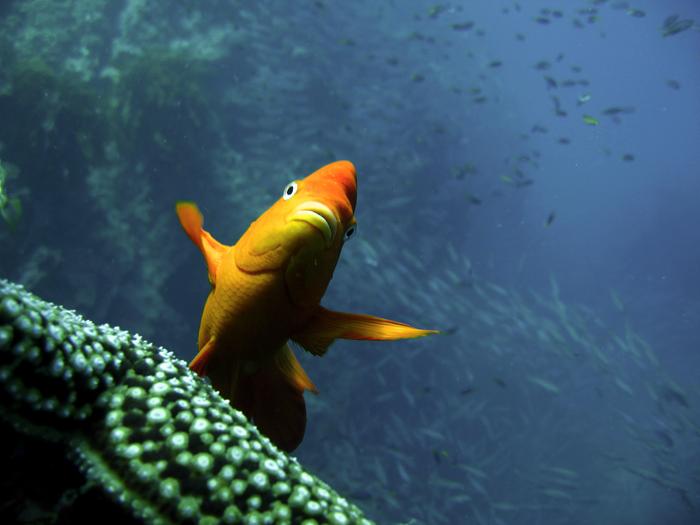
A garibaldi hovering near San Clemente Island in Southern California. Credit: Phil Zerofski/Scripps Institution of Oceanography

What looks effortless isn’t always easy. When fish hang motionless in the water column, they appear to be resting—but new research reveals they’re actually working twice as hard as scientists previously thought. A comprehensive study of 13 fish species shows that hovering burns nearly double the energy of true rest, overturning decades of assumptions about … Read more

Cats Sleep on Their Left Side for Evolutionary Advantage

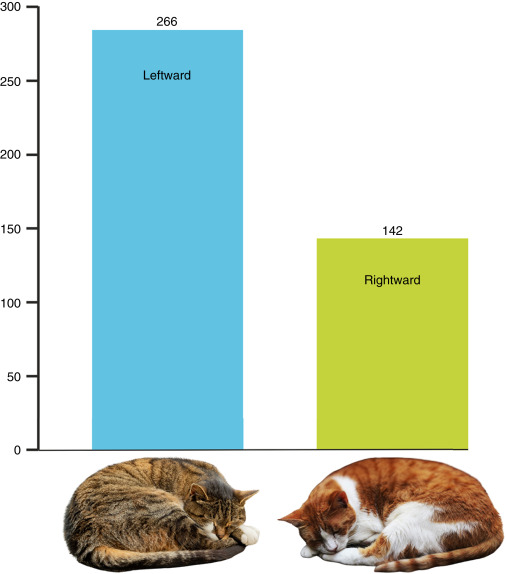
Figure 1 Lateral bias in sleeping positions of domestic cats.

Two-thirds of domestic cats prefer to sleep on their left side, according to research analyzing hundreds of YouTube videos—a seemingly quirky finding that reveals a sophisticated evolutionary survival strategy. Scientists believe this sleeping preference gives cats a crucial advantage when detecting threats or prey upon awakening, as their left visual field connects directly to the … Read more

How Two Tiny Molecules Control Ant Society’s Division of Labor

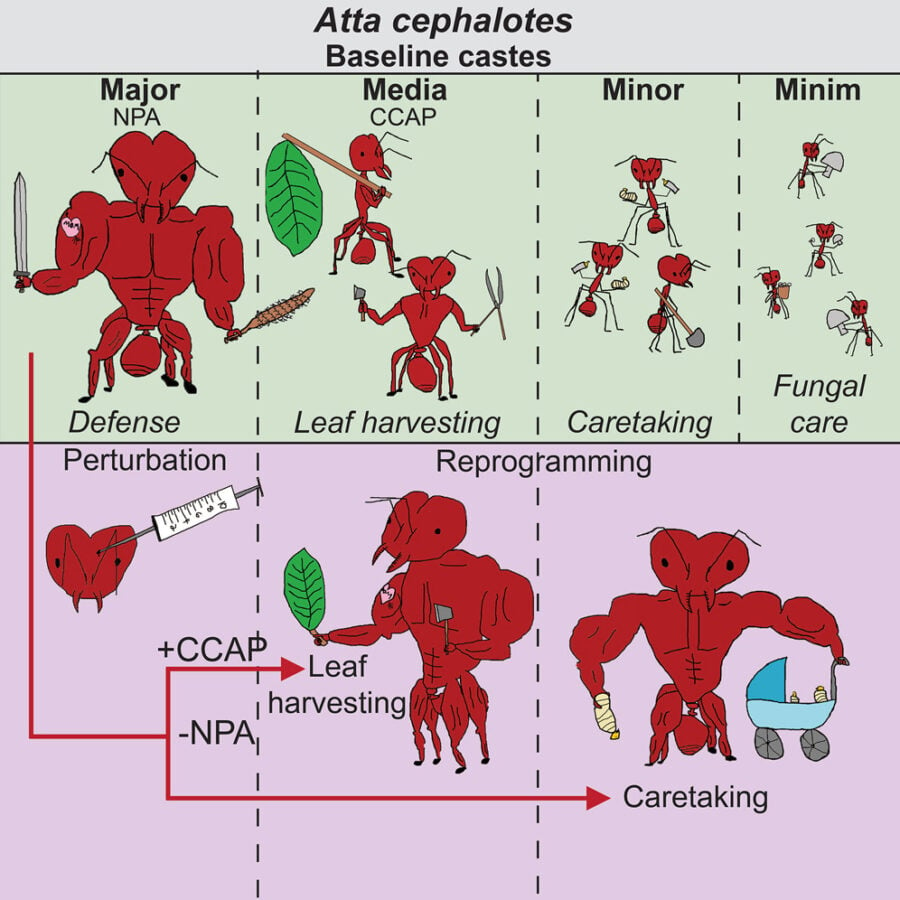
ant infographic

Deep in the tropical understory, millions of leafcutter ants march in perfect synchrony—some slice leaves with surgical precision while others tend nurseries or stand guard at colony gates. Now scientists have cracked the chemical code behind this extraordinary social organization, discovering that just two molecular switches can completely reprogram an ant’s life purpose. University of … Read more

Wild Science

Nature’s Secrets, Scientifically Told.

Skip to content ↓