

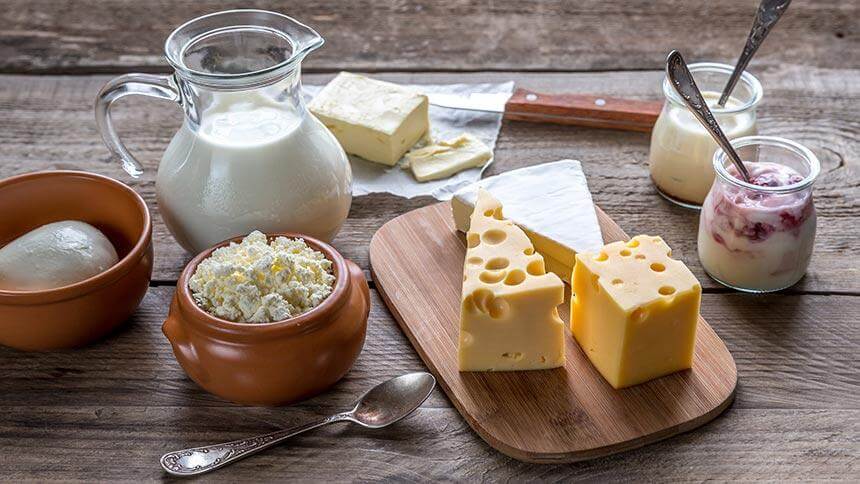
People living in cholera-prone regions often wonder why some neighbors get violently sick while others stay healthy despite similar exposure. The answer might involve what’s on their plates. Mice fed casein from dairy or gluten from wheat showed 100-fold less bacterial colonization than those eating other proteins, a difference rarely seen outside antibiotic treatment.
The effect has nothing to do with calories or fat content. University of California, Riverside microbiologists tested high-fat diets, carbohydrate-heavy meals, and various protein sources in infected animals. Fat did almost nothing. Carbohydrates offered modest protection. But casein and wheat gluten essentially locked cholera out of the gut.
What’s happening involves a microscopic arms race. Cholera bacteria deploy a spring-loaded molecular syringe called the type 6 secretion system to stab neighboring microbes and clear space. These dietary proteins mute that weapon by altering a bacterial regulator called FlrA. When FlrA detects casein, it triggers a repressor that shuts down the syringe machinery entirely.
“I wasn’t surprised that diet could affect the health of someone infected with the bacteria. But the magnitude of the effect surprised me,” Ansel Hsiao, associate professor of microbiology and plant pathology, explains.
Without functional syringes, cholera loses its competitive edge. Helpful bacteria like E. coli hold their ground, and the pathogen can’t establish the dense colonies needed for severe disease. The proteins change the neighborhood, making the gut inhospitable to cholera’s usual takeover.
Structural Differences Between Proteins Matter
Soy protein, despite being nutritionally comparable, left bacterial weapons fully operational. Mice remained highly susceptible. The team suspects casein and wheat gluten contain specific amino acid sequences or shapes that trigger the protective response, though they’re still mapping which molecular features drive it.
This specificity complicates simple dietary recommendations but opens questions about other common proteins. Could rice protein work? What about legumes beyond soy?
Why This Matters Beyond Mice
Cholera remains endemic in parts of Asia and sub-Saharan Africa where clean water stays scarce. Current treatment relies on rehydration, which saves lives but doesn’t stop bacterial colonization. Antibiotics work but risk creating resistant strains, and while drug-resistant cholera isn’t yet widespread, the bacterium adapts quickly.
Dietary interventions sidestep that evolutionary pressure. Casein and wheat gluten are already consumed globally, regulated as safe, inexpensive to produce. But mouse guts differ substantially from human microbiomes in complexity and composition.
Hsiao’s team plans to test whether the effect translates using human microbiome models, then potentially clinical studies. Whether a glass of milk during an outbreak could actually protect people remains genuinely uncertain: the kind of uncertainty that requires more data rather than optimistic projections.