

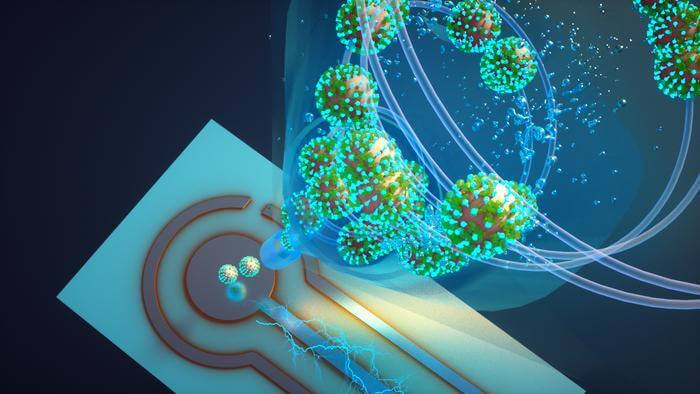
Scientists may have found a measurable biological marker for long COVID, a condition that until now has been diagnosed mainly by symptoms. A team from the Translational Genomics Research Institute (TGen) and the Lundquist Institute reports that tiny packages released by cells, called extracellular vesicles (EVs), contain fragments of SARS-CoV-2 proteins in people with long COVID. If validated in larger studies, these viral protein fragments could provide the first quantifiable way to confirm the condition and better understand its biology.
From Symptoms to Molecular Clues
Clinicians currently rely on patient-reported symptoms such as fatigue, shortness of breath, and post-exertional malaise to make a presumptive long COVID diagnosis. No blood test exists to confirm it. “If a patient arrives in clinic and they relate the persistence of typical signs and symptoms of long COVID, 12 weeks or more after COVID-19 infection, I give them a presumptive diagnosis, but I don’t have any blood tests or biomarkers to confirm this diagnosis,” said Dr. William Stringer, senior author and investigator at the Lundquist Institute.
EVs are nanosized particles (30–1000 nanometers) that shuttle proteins, RNA, and other molecules between cells. They have been known to carry viral material in other infections. The researchers suspected that if SARS-CoV-2 persists in the body, EVs might act as couriers for its remnants.
Inside the Study
The team analyzed blood samples from 14 adults with documented SARS-CoV-2 infection and persistent symptoms for more than 12 weeks. Participants were diverse in age, sex, and ethnicity; most were never hospitalized during their initial infection. Samples were collected at rest and after peak exercise, both before and after a 12-week aerobic training program.
Using mass spectrometry, the scientists detected 65 distinct peptide fragments from a viral enzyme called replicase polyprotein 1ab (Pp1ab) in the EVs of long COVID patients. This protein is essential for viral replication and is unique to SARS-CoV-2, absent from uninfected human cells. In a targeted analysis, one specific peptide sequence, GSLPINVIVFDGK, appeared in at least one sample from every patient, but never in pre-pandemic control samples.
Key Findings
- 65 unique SARS-CoV-2 peptides identified in EVs from long COVID patients
- Peptides mapped to Pp1ab, a viral replication protein
- Signature peptide found in 12 of 14 patients across multiple time points
- No viral peptides detected in 20 pre-pandemic control samples
What the Results Mean
The findings support the idea that viral fragments may linger in tissues long after infection. Some scientists think these reservoirs could drive ongoing symptoms. EVs might help the virus reach tissues without its usual entry points, such as the brain. However, the team notes that the molecular signal was subtle and not always present at each blood draw, raising questions about the stability and timing of detection.
“We thought that maybe if the virus is circulating or moving in the body, we should try to see if EVs are carrying those viral fragments,” said first author Dr. Asghar Abbasi.
It remains unclear whether exercise triggers the release of viral material from hidden reservoirs, or if the peptides are simply leftover “molecular trash” from past infection. Future studies will need to test people without symptoms who had COVID-19, to determine whether the EV signature is unique to long COVID.
Looking Ahead
If confirmed, EV-based peptide detection could become a valuable diagnostic tool and help guide treatment research. As Stringer noted, the ultimate question is whether these fragments signal ongoing viral activity or just the slow cleanup of infection debris. Either answer could provide important clues for managing and potentially preventing long COVID.
Journal
Infection, DOI: 10.1007/s15010-025-02612-x