

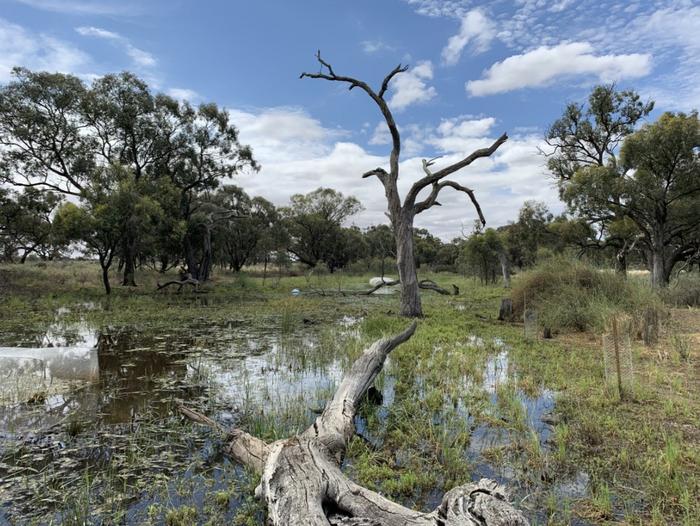
Scientists have discovered that restoring degraded wetlands can slash carbon emissions by 39% and boost critical ecosystem functions within just one year—without triggering the methane surge that typically undermines climate benefits in other wetland types. The findings challenge conventional wisdom about wetland restoration timelines and offer new hope for rapid climate action.
The research, published in the Journal of Environmental Management, focused on floodplain wetlands along Australia’s Loddon River. These riparian systems, which make up more than half of global wetlands, are often overlooked in restoration efforts despite their outsized climate potential.
Swift Recovery Surprises Researchers
Dr. Lukas Schuster from RMIT University’s Centre for Nature Positive Solutions led the study comparing three restored wetlands with three degraded control sites. The speed of recovery caught even experienced researchers off guard.
“We found managing freshwater wetlands for carbon benefits also boosts flood and drought resilience, highlighting the dual benefits of restoration,” Schuster explained. The restored sites showed measurable improvements across multiple indicators:
- Carbon storage increased 12% in surface soils within one year
- Soil moisture retention jumped 55% even after wetlands dried
- Nitrogen retention rose 43%, improving water quality
- Native plant cover expanded dramatically in submerged and emergent zones
Meanwhile, control wetlands moved in the opposite direction. Carbon emissions increased 169% over the monitoring period, while surface carbon stocks dropped 10%.
The Methane Question
What makes these results particularly significant is what didn’t happen. Peatland restoration, while valuable for long-term carbon storage, often produces methane spikes up to 530% higher than pre-restoration levels. This greenhouse gas surge can offset climate benefits for years or even decades.
The floodplain wetlands showed no such methane increase during the first year. Schuster’s team found that frequent wetting and drying cycles, combined with rapid native plant establishment, likely prevented the anaerobic conditions that fuel methane production.
“Wetlands are nature’s purification system, removing nitrogen from waterways and carbon from the atmosphere,” Schuster noted. “Now we know even more about the important role they play and how quickly their recovery can be.”
The Science Behind Success
The restoration involved two key steps: rewetting degraded areas by reconnecting them to river flow, and active revegetation with 36 native wetland species. This combination proved crucial for rapid ecosystem recovery.
Native plants played a starring role in carbon sequestration. Leaf litter from dominant native species like spike-rush and swamp wallaby grass decomposed more slowly than invasive ryegrass, creating better conditions for soil carbon preservation. The researchers used an innovative “tea bag method”—burying standardized green and rooibos tea samples—to measure decomposition rates across sites.
The link between carbon and ecosystem function proved particularly revealing. Soil moisture retention increased alongside carbon storage, suggesting that managing wetlands for climate benefits automatically enhances drought resilience.
Long-term Validation
A separate six-year monitoring study validated the permanence of these benefits. Surface carbon stocks increased 53% in a wetland restored through hydrological reinstatement alone, demonstrating that initial gains persist over time.
However, the long-term site did show modest methane increases after six years, likely due to accumulated soil carbon providing more substrate for methane-producing microbes. The researchers emphasized that enhanced carbon sequestration should still outweigh these emissions.
Global Implications
The findings carry particular urgency given wetland loss statistics. Since 1700, the world has lost 21% of natural wetlands—roughly 3.4 million square kilometers. Meanwhile, 80% of wastewater enters the environment untreated, and only 28% receives any treatment in middle-income countries.
Schuster emphasized the ripple effects: “More nitrogen removed from these wetlands has a positive flow-on effect to connected waterways. If you manage the carbon outcome, you get other benefits like drought resilience and healthier farmland where flora and fauna can thrive.”
The research, funded by Australia’s Future Drought Fund and conducted with the Arthur Rylah Institute for Environmental Research, provides a template for rapid wetland restoration that could be applied globally. The paired experimental design—comparing restored sites with degraded controls—offers a rigorous model for future restoration projects.
As climate impacts intensify, these findings suggest that wetland restoration represents one of the fastest-acting natural climate solutions available. Rather than waiting decades for results, land managers can achieve measurable carbon and ecosystem benefits within a single growing season.