

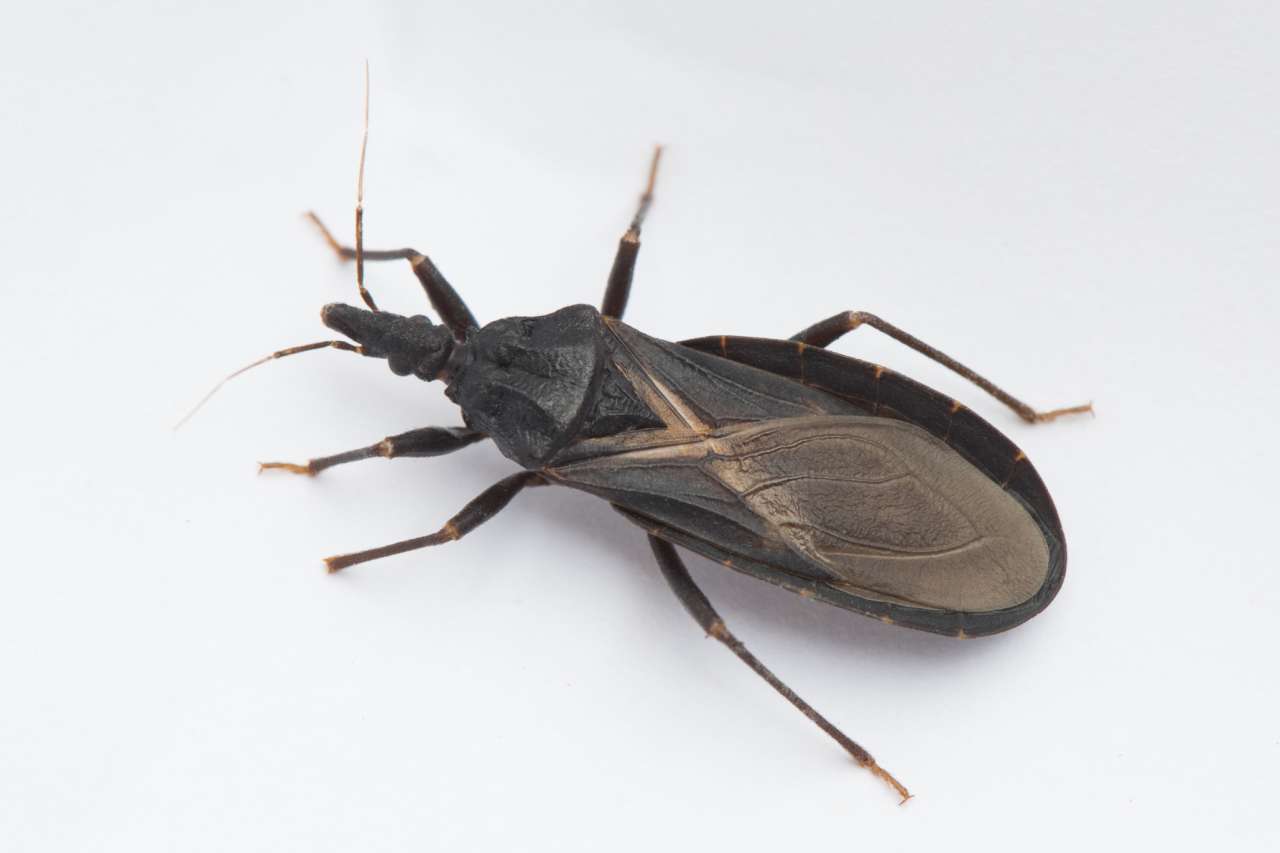
For decades, Chagas disease lurked in the shadows of American medicine, dismissed as a Latin American problem that occasionally hitchhiked north with travelers. That comfortable distance just collapsed. The Centers for Disease Control and Prevention quietly declared in September that this potentially deadly parasitic infection is now endemic in the United States, joining 21 other countries where the disease has taken permanent residence.
The announcement represents more than a bureaucratic reclassification. It acknowledges an uncomfortable truth that researchers have been documenting for years: the blood-sucking insects that spread Chagas disease have been living, breeding, and biting Americans in their own homes across the southern United States, creating a domestic health threat that most physicians aren’t trained to recognize.
“Most people living with Chagas disease are unaware of their diagnosis, often until it’s too late to have effective treatment.”
The words of Dr. Judith Currier, chief of infectious diseases at UCLA Health, capture the insidious nature of a disease that can silently destroy hearts over decades. An estimated 300,000 Americans carry the Trypanosoma cruzi parasite that causes Chagas disease, yet fewer than 2% know they’re infected. In Los Angeles County alone, roughly 45,000 people harbor this microscopic time bomb.
The culprit behind this hidden epidemic is Triatoma gerstaeckeri and related species, insects with the macabre nickname “kissing bugs” for their habit of biting people’s faces while they sleep. These nocturnal vampires don’t inject the parasite directly through their bite. Instead, they defecate after feeding, depositing T. cruzi onto the skin. When victims scratch the itchy wound, they inadvertently rub the parasite into their bloodstream.
A Disease That Hides in Plain Sight
What makes Chagas particularly treacherous is its ability to masquerade as other common ailments during its acute phase. Some patients develop telltale swelling around one eye, but many others experience only generic symptoms like fever, fatigue, and body aches that could signal anything from the flu to food poisoning. After about two months, these symptoms vanish, and the disease enters a chronic phase that can last decades without obvious signs.
But the parasite isn’t dormant during this silent period. In roughly 20% of chronic cases, T. cruzi slowly damages the heart muscle, potentially leading to heart failure, cardiac arrest, or sudden death. Dr. Shaun Yang, a UCLA microbiology professor, puts it bluntly: untreated Chagas disease “kills the heart very slowly.”
The geographic footprint of risk extends far beyond what most Americans realize. Triatomine insects have been identified in 32 states, with nine species confirmed to carry the parasite. While the bugs are most common in the Southwest, autochthonous cases of human infection have been documented in eight states, from California to Arkansas.
Texas has emerged as the epicenter of American Chagas disease, reporting 50 confirmed or probable locally acquired cases between 2013 and 2023. The state made Chagas a reportable condition in 2013, providing the most comprehensive picture of domestic transmission. During a three-year period starting in 2013, Texas also documented 431 cases in dogs, along with infections in cats, horses, and even zoo animals.
The Veterinary Canary in the Coal Mine
Dogs have become unwitting sentinels for human risk. Across the southern United States, infection rates in canine populations range from 10% to over 50% in some areas, with one Texas study documenting 30.7 new infections per 100 dogs annually. Since dogs and humans share similar exposure patterns to kissing bugs, high canine infection rates often signal elevated human risk in the same communities.
“The kissing bugs in the endemic area (Latin America) almost all of them carry the parasite.”
Dr. Yang’s observation underscores a crucial difference between established endemic regions and the emerging American situation. While kissing bugs in Latin America carry infection rates approaching 100%, their North American cousins are less efficient vectors, with infection rates typically ranging from 30% to 50%. This difference may explain why human cases remain relatively rare in the United States compared to regions like rural Bolivia or parts of Argentina.
Climate Change and Shifting Boundaries
The endemic designation comes amid growing concerns about climate change expanding the geographic range of disease vectors. Dr. Joanna Schaenman, who treats transplant patients at UCLA, notes that scientists worry warming temperatures are pushing the boundaries of endemic infections northward.
The bugs themselves prefer rural environments and homes with cracks or crevices where they can hide during daylight hours. Adobe or mud construction provides ideal habitat, but kissing bugs have also been found in suburban homes across Texas and other southwestern states. They’re attracted to areas with pets or rodents, though they prefer human blood when available.
For transplant patients, Chagas disease presents unique challenges. While the infection can reactivate when the immune system is suppressed, Dr. Schaenman notes that heart transplant recipients with Chagas-related heart failure generally do well after surgery and can live full, high-functioning lives with proper monitoring and treatment.
The endemic classification reflects a broader shift in how public health officials think about disease geography in an interconnected world. Unlike many emerging infectious diseases that arrive suddenly and generate headlines, Chagas disease has been quietly establishing itself in American ecosystems for years, spread not by international travel but by insects that recognize no borders.
This reclassification should trigger changes in medical education, physician awareness, and public health surveillance. For too long, American doctors have been trained to think of Chagas disease as something that happens elsewhere, to other people. That era of comfortable distance is ending, replaced by the recognition that this ancient parasite has found a new home in America’s backyard.