Skip to content
ScienceBlog.com
  • Featured Blogs
    • EU Horizon Blog
    • ESA Tracker
    • Experimental Frontiers
    • Josh Mitteldorf’s Aging Matters
    • Dr. Lu Zhang’s Gondwanaland
    • NeuroEdge
    • NIAAA
    • SciChi
    • The Poetry of Science
    • Wild Science
  • Topics
    • Brain & Behavior
    • Earth, Energy & Environment
    • Health
    • Life & Non-humans
    • Physics & Mathematics
    • Social Sciences
    • Space
    • Technology
  • Our Substack
  • Follow Us!
    • Bluesky
    • Threads
    • FaceBook
    • Google News
    • Twitter/X
  • Contribute/Contact

Biology

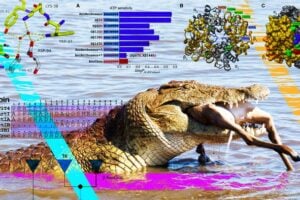
A Nile crocodile swallows an impala, its reward for lying in wait beneath the water’s surface. By resurrecting the hemoglobin of ancient crocodilian ancestors, a Husker-led team has helped explain why other vertebrates failed to evolve the adaptations that allow crocs to go hours without air.

Decoding Croc Blood: Mutations Make it an Oxygen-Ferrying Winner

Jar of green juice

Sarunashi juice inhibits lung cancer in mice

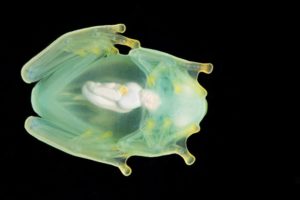
A sleeping glassfrog

Glassfrogs Use Reflective Livers to Achieve Transparency

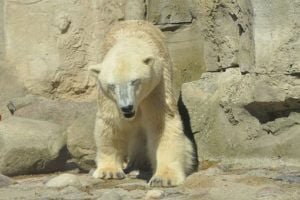
Polar bear at the zoo

Polar bear paws hold the secret to better tire traction

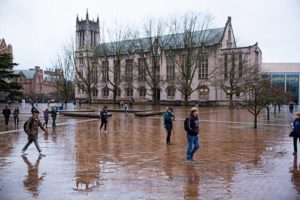
An overcast December day on the University of Washington campus in Seattle.

Trouble falling asleep at night? Chase that daytime light, study shows

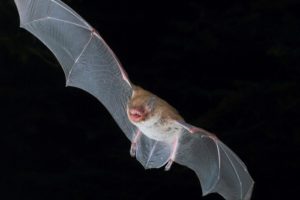
Daubenton's bat (Myotis daubentonii) echolocating in flight.

Bats use death metal “growls” to make social calls

Newer posts
← Previous Page1 … Page4 Page5
Substack subscription form sign up

Comments

  • Karoly Mirnics on Common Prescription Drugs May Disrupt Cholesterol Pathways in the Womb and Raise Autism Risk
  • Aizen on Laziness helped lead to extinction of Homo erectus
  • Norwood johnson on Electrons in New Crystals Behave as If They Live in Four Dimensions
  • ScienceBlog.com on Hidden Geometry Could Finally Fix Quantum Computers
  • Theo Prinse on America Is Going Back to the Moon. This Time, It Plans to Stay
© 2026 ScienceBlog.com | Follow our RSS / XML feed